
Forklift transmission issues are problems affecting the power transfer system that controls speed, direction, and movement, including slipping gears, fluid leaks, shifting difficulties, and unusual noises requiring prompt diagnosis and repair.
Key Takeaways
- Forklift transmissions come in three types—automatic, manual, and hydrostatic—each suited to different operational needs and offering unique benefits.
- Common transmission problems include slipping gears from worn clutch packs, fluid leaks from damaged seals, shifting difficulties, and grinding or whining noises.
- Early warning signs like grinding sounds, difficulty shifting, and visible fluid leaks require immediate attention to prevent costly repairs and extended downtime.
- Check transmission fluid monthly and inspect for leaks, worn clutch components, and clogged filters to maintain optimal performance and prevent overheating.
- Upright Forklift Repair provides specialized transmission repair, maintenance, and parts services in Houston and Humble with 24/7 emergency availability.
Forklift transmission issues refer to problems affecting the power transfer system that controls speed, direction, and movement, commonly including slipping gears, fluid leaks, shifting difficulties, and unusual noises requiring prompt diagnosis and repair.
Key Takeaways
- Forklift transmissions transfer engine power to wheels and come in three types: automatic, manual, and hydrostatic, each suited to different operational needs.
- Common transmission problems include slipping gears, fluid leaks, shifting difficulties, and unusual grinding or whining noises indicating internal wear.
- Early warning signs like grinding sounds, difficulty shifting, and visible fluid leaks require immediate attention to prevent costly repairs and downtime.
- Check transmission fluid monthly and inspect for leaks, worn clutch packs, and clogged filters to maintain optimal performance and prevent overheating.
- Upright Forklift Repair provides specialized transmission repair, maintenance, and parts services in Houston and Humble with 24/7 emergency availability.
A forklift transmission is crucial to the overall performance and efficiency of your equipment, allowing it to transfer engine power to the wheels and control speed and direction. Transmission issues can significantly impact your forklift’s ability to perform, leading to costly repairs, downtime, and even potential safety hazards.
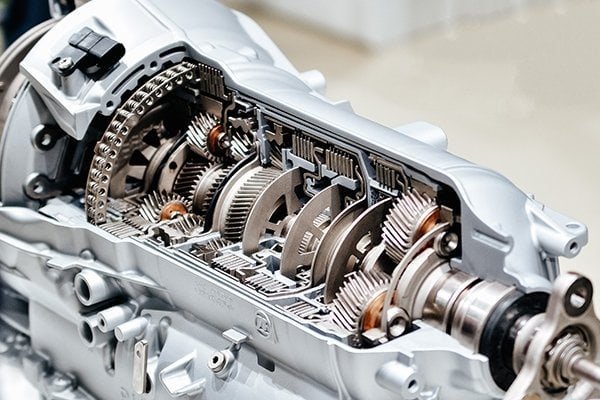
For businesses in Houston and Humble, Upright Forklift Repair offers specialized repair services, routine maintenance, and high-quality parts to keep forklifts in optimal working condition. By understanding common transmission issues, you can help extend the life of your forklift, reduce repair needs, and improve operational safety.
What is a Forklift Transmission and Why Is It Essential?
A forklift transmission is responsible for transferring power from the engine to the wheels, which enables it to operate effectively under heavy loads. This component plays a critical role in managing the forklift’s speed and direction, allowing it to move both forward and in reverse.
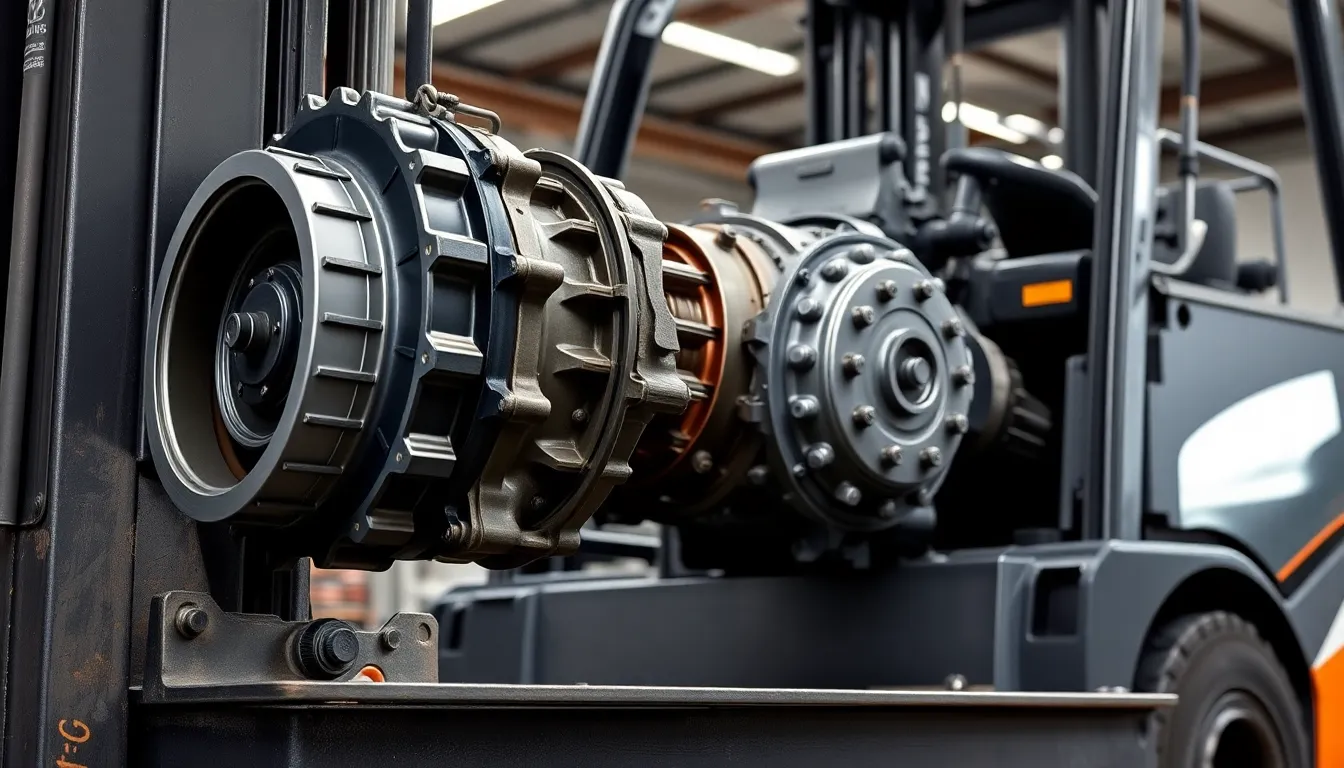
A properly functioning transmission is essential for smooth operation, stability, and safety during heavy lifting and transporting tasks. Without regular maintenance, issues such as slipping gears or transmission leaks can arise, leading to downtime and increased operational risks. Keeping your forklift transmission in top shape ensures it runs smoothly, efficiently, and safely.
What Are the Different Types of Forklift Transmissions?
Forklifts come equipped with one of three main types of transmissions: automatic, manual, or hydrostatic. Each transmission type offers unique benefits suited to different operational needs. Automatic transmissions use a torque converter, making them user-friendly and ideal for operations that require frequent direction changes. Manual transmissions utilize a clutch pack and are typically preferred in situations requiring more precise control.
Lastly, hydrostatic transmissions combine hydraulic and mechanical components, delivering smooth performance and reducing the need for clutch-based parts. Understanding the differences between these types helps businesses select the right forklift transmission for their unique needs.
What Are the Most Common Forklift Transmission Problems?
Forklift transmission problems can disrupt productivity and lead to costly repairs if left unchecked. Some of the most common issues include slipping gears, transmission fluid leaks, difficulty shifting gears, and unusual noises like grinding or whining. Slipping gears often result from worn-out clutch packs or faulty solenoids, which prevent smooth power transfer and can cause the forklift to lose speed or direction control.
Transmission fluid leaks are another frequent issue, typically caused by damaged seals or gaskets, and can quickly lead to overheating or transmission failure. Difficulty shifting gears, common in manual transmissions, may stem from low fluid levels or issues with the shift linkage. Unusual noises indicate internal wear, such as worn-out bearings or a failing torque converter, and signal the need for immediate attention to prevent further damage.
How Do You Recognize Signs and Symptoms of Transmission Issues?
Early identification of transmission issues is essential to prevent costly repairs and minimize downtime. Key signs of trouble include grinding noises, difficulty shifting gears, and leaking transmission fluid. Grinding or whining sounds often indicate worn bearings or failing internal components, while difficulty shifting gears is a red flag, especially in manual transmissions, that may signal low fluid levels or clutch wear.
Leaking fluid, particularly if it appears under the forklift or around the transmission, can cause overheating and damage if not promptly addressed. Regular checks to identify problems and spot any noisy operation or performance issues can catch damaged components early, helping avoid major transmission repairs or replacements.
How Do You Troubleshoot Transmission Issues in Forklifts?
When dealing with forklift transmission issues, a systematic troubleshooting approach is essential. Start by checking the fluid levels; low or dirty transmission fluid can contribute to gear slippage, overheating, and rough operation. Next, inspect the area for visible leaks, which can signal damaged seals or gaskets needing replacement.
Evaluating the condition of the clutch and transmission filter is also crucial, as worn-out clutch packs and clogged filters restrict fluid flow and disrupt smooth operation. For effective troubleshooting, understanding the transmission type (automatic, manual, or hydrostatic) allows for a more precise diagnosis of the problem. Addressing each issue thoroughly can restore proper function and prevent the need for a complete transmission repair.
Why Is Regular Transmission Maintenance Important?
Routine maintenance of your forklift’s transmission is essential for ensuring optimal performance and extending the equipment’s lifespan. Regularly checking fluid levels prevents overheating and gear slipping, which are common signs of poor fluid quality or low levels.
Additionally, inspecting for signs of wear—like loose fittings or damaged components—can catch small issues before they escalate. Consistent servicing helps reduce unexpected breakdowns and downtime, improving overall productivity and safety. By scheduling routine transmission maintenance, you not only enhance performance but also protect your investment, saving on costly repairs and extending the transmission’s life.
How Often Should You Check Transmission Fluid in a Forklift?
Checking your forklift’s transmission fluid should be done at least once a month or as advised in the manufacturer’s guidelines. Low or degraded fluid can lead to overheating, poor performance, and even damage to transmission components. Signs that the fluid needs to be replaced include a dark color or a burnt smell, both of which indicate contamination or excessive wear. Regularly inspecting and maintaining adequate fluid levels keeps your forklift transmission running smoothly, reducing the risk of sudden failures and expensive repairs.
Should You Repair or Replace Your Forklift Transmission?
When dealing with a failing forklift transmission, the decision to repair or replace can depend on factors such as the age of the forklift, repair costs, and the extent of damage. For newer forklifts or minor issues, repairs like replacing seals, bearings, or clutches may be a cost-effective solution.
However, for older models with extensive wear, a complete replacement might be the best solution to restore reliable operation. Replacement can extend the life of the forklift, offering long-term savings and improved performance, especially for older units in a fleet. Upright Forklift Repair offers an extensive range of repair and replacement options tailored to your needs, helping ensure you make the most economical choice for your equipment.
How Do You Address Difficulty Shifting Gears in Manual Transmissions?
Difficulty shifting gears in manual forklift transmissions is often caused by issues like a worn clutch pack, low fluid levels, or problems with the shift linkage. To address this, start by checking fluid levels and topping up if necessary. Inspect the clutch and, if needed, make adjustments or replace worn parts.
A thorough inspection of the shift linkage can identify any damage or misalignment that may be impacting performance. In cases where the clutch or linkage is heavily worn, replacing these parts can restore smooth operation and prevent further gear-shifting issues.
Which Houston Transmission Service Should You Book?
| Service option | What it covers | Best for | When it runs |
|---|---|---|---|
| Emergency dispatch | On-site diagnosis and transmission repair for a lift that is down | A unit that stopped mid-shift and is holding up work | 24/7 emergency dispatch, average on-site response under 90 minutes during business hours |
| Scheduled repair | A booked transmission repair using OEM parts stocked on the service truck | A fault you have already identified that can wait for a slot | Business hours, with a callback within the hour |
| Preventive maintenance | Monthly transmission fluid checks plus filter, clutch and seal inspection | Fleets that would rather schedule downtime than absorb it | Recurring plan, and it can be bundled with a written OSHA 1910.178 inspection |
Upright Forklift Repair is a mobile service based in Humble, Texas and covers the Greater Houston metro, so all three options come to your site with OEM parts stocked on the truck.
Why Upright Forklift Repair is Houston & Humble’s Trusted Transmission Specialist?
For businesses in Houston and Humble seeking reliable transmission services, Upright Forklift Repair stands out as a trusted local specialist. Our team is highly experienced in diagnosing and fixing forklift transmission issues, ensuring your equipment operates at peak performance. We provide a broad selection of quality parts and prioritize quick turnaround times to reduce downtime.
With a strong commitment to customer satisfaction, Upright Forklift Repair offers tailored solutions to fit each client’s needs. From minor repairs to full transmission overhauls, we’re dedicated to keeping your forklift fleet running smoothly and safely.
Keep Your Forklift’s Transmission in Top Shape
Addressing forklift transmission issues early can prevent costly repairs and improve safety. Regular maintenance is key to keeping your fleet reliable and maximizing performance. For expert help with any transmission needs, trust Upright Forklift Repair in Houston and Humble to keep your forklifts in optimal working order.