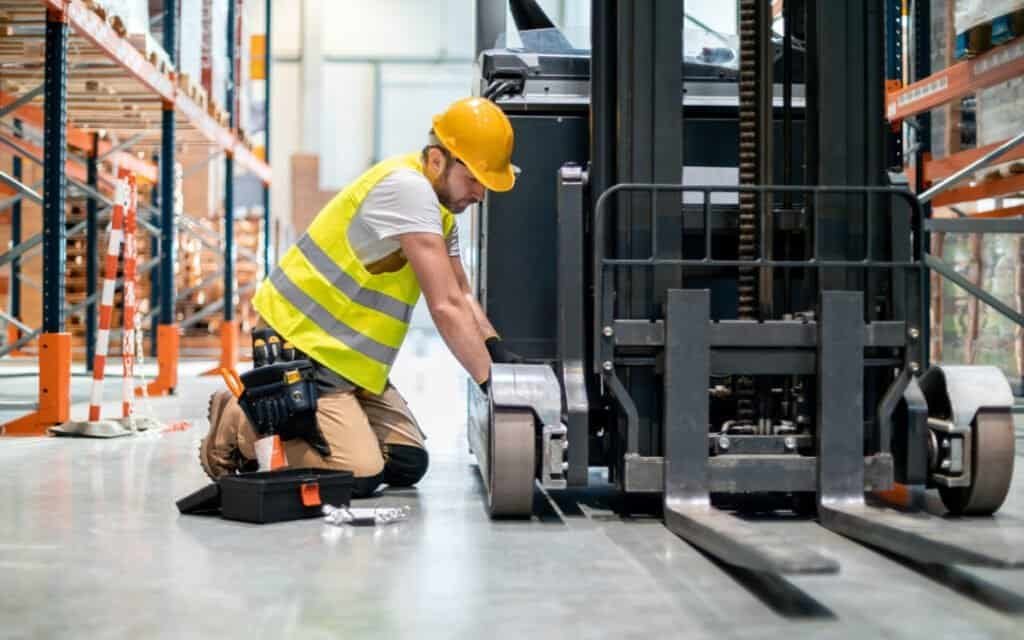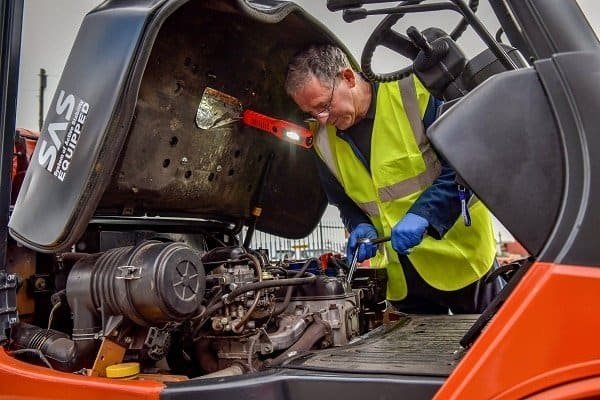
Forklift Preventive Maintenance Program | Upright Forklift

Forklift Preventive Maintenance Program | Upright Forklift

By Upright Forklift Repair | Serving Houston, Humble, TX, and the Greater Houston Area

If your operation depends on forklifts — whether you’re running a distribution center in Humble, a petrochemical facility in Baytown, or a warehousing operation in Katy — equipment failure is not just an inconvenience. It’s a direct hit to your bottom line. A single unplanned breakdown can cost thousands in emergency repairs, lost productivity, and potential OSHA violations. The solution isn’t to wait for something to break. It’s to prevent the break from happening in the first place.

A structured forklift preventive maintenance program is the most effective tool warehouse operators, logistics managers, and construction companies have to protect their equipment investment, keep their teams safe, and maintain operational continuity. At Upright Forklift, based in Humble, TX and serving businesses throughout Houston, Cypress, The Woodlands, Pearland, Pasadena, League City, Conroe, Spring, Sugar Land, La Porte, Deer Park, and beyond, we’ve built a maintenance program designed to meet the real-world demands of high-use material handling environments.

This guide covers everything you need to know — from what a PM program includes, to how to structure your maintenance schedule, to the real cost difference between planned service and emergency forklift repair.


What Is a Forklift Preventive Maintenance Program?

A forklift preventive maintenance program (commonly called a PM program) is a scheduled, systematic approach to inspecting, servicing, and repairing lift truck equipment before failures occur. Rather than reacting to breakdowns, a PM program establishes regular service intervals where certified forklift technicians inspect critical components, perform fluid changes, adjust mechanical systems, and document the condition of your equipment.

This is distinct from a break-fix model, where maintenance only happens when something stops working. PM programs are proactive. They are built around manufacturer recommendations, OSHA forklift safety standards, and the operational demands of your specific fleet.

The Core Philosophy: Fix It Before It Breaks

The guiding principle behind preventative maintenance is straightforward: it is always less expensive — in time, money, and risk — to service equipment on a schedule than to repair or replace it after a failure. This is especially true for forklifts, where hydraulic systems, mast assemblies, brakes, and tires endure significant wear during daily operations in material handling environments.

PM Programs vs. Standard Maintenance

Standard maintenance is reactive. A PM program is predictive and scheduled. It combines routine inspections, lubrication, filter changes, fluid checks, and safety testing into a documented service cycle that keeps your equipment running reliably while generating compliance records your safety team can actually use.


Why Houston Businesses Can’t Afford to Skip Preventive Maintenance

Why Houston Businesses Can't Afford to Skip Preventive Maintenance — Upright Forklift

Greater Houston is one of the most forklift-intensive markets in the country. The region’s economy is driven by petrochemical processing, port logistics, distribution warehousing, manufacturing, and construction — all industries that depend heavily on reliable forklift fleets. Businesses in Humble, Baytown, Pasadena, La Porte, and Deer Park operate in environments where equipment runs multiple shifts per day, often in heat, humidity, and harsh conditions that accelerate component wear.

The Houston Climate Factor

Heat and humidity are hard on forklifts. Extreme temperatures accelerate battery degradation in electric forklifts, cause rubber seals to deteriorate faster, and increase the risk of hydraulic fluid breakdown. Facilities near the Houston Ship Channel deal with corrosive airborne chemicals that can damage electrical systems and metal components. Skipping scheduled service in this environment doesn’t just shorten equipment life — it invites failure at the worst possible moment.

OSHA Compliance Is Not Optional

OSHA standard 29 CFR 1910.178 requires that powered industrial trucks be examined before being placed into service each day, and that any equipment found to be unsafe be taken out of service immediately. Employers are also required to ensure that forklifts are maintained in safe working condition according to manufacturer standards. Failure to document and perform required maintenance can result in citations, fines, and — most critically — workplace injuries. A formal PM program creates the paper trail that demonstrates compliance.

The True Cost of Skipping Maintenance

Consider this: the average emergency forklift repair in the Houston area runs between $800 and $3,500 depending on the component failure. Add in downtime costs — typically $500 to $1,000 per hour in a high-throughput warehouse — and one unplanned breakdown can easily exceed the cost of an entire year of scheduled maintenance. Businesses across our service area, from Spring to Sugar Land, that have switched from reactive to preventative maintenance consistently report significant reductions in both repair costs and operational disruption.


Key Components of an Effective Forklift Maintenance Program

Key Components of an Effective Forklift Maintenance Program — Upright Forklift

Not all maintenance programs are created equal. An effective program goes beyond oil changes and tire pressure checks. Here are the components that separate a genuinely protective PM program from a checkbox exercise.

1. Defined Service Intervals by Equipment Type

Maintenance intervals should be calibrated to the type of forklift and its usage intensity. General industry guidelines recommend PM service every 250 hours for electric forklifts and every 250–500 hours for propane and diesel-powered units. However, high-use fleets in demanding environments may require more frequent service.

  • Electric Forklifts: Battery maintenance, cable inspection, motor brushes, charger checks, and controller diagnostics every 250 hours or quarterly.
  • Propane (LP) Forklifts: Fuel system inspection, carburetor cleaning, air filter replacement, spark plugs, and hose integrity checks every 250–500 hours.
  • Diesel Forklifts: Oil and filter changes, fuel filter replacement, coolant checks, injection system inspection, and exhaust system review every 250–500 hours.

2. Operator Pre-Shift Inspection Checklists

OSHA requires pre-shift inspections, and a complete PM program integrates daily operator checklists as the first line of defense. Operators should check fluid levels, tire condition, forks, overhead guard, lights, horn, brakes, and any visible leaks before each shift. These records should be retained and reviewed by your maintenance provider at each scheduled service visit.

3. Comprehensive Component Inspection

At each scheduled service, certified forklift technicians should inspect: hydraulic system pressure and fluid condition, mast chains and carriage rollers, brake system including parking brake, steering linkage, electrical system and wiring harness, tires and wheels, overhead guard integrity, seat belt and operator restraint systems, and all fluid levels.

4. Documentation and Compliance Records

Every service visit should generate a written report documenting what was inspected, what was serviced, what parts were replaced, and what conditions were noted for follow-up. These records are essential for OSHA compliance, warranty claims, and fleet management decisions.

5. Warranty Protection

Most forklift manufacturers — including Toyota, Crown, Hyster, Yale, and Raymond — require documented preventative maintenance performed at specified intervals as a condition of warranty coverage. Skipping scheduled service can void your warranty, leaving you fully exposed on expensive component failures. Your PM program documentation is your warranty protection.


How Upright Forklift’s Preventive Maintenance Program Works

At Upright Forklift, we’ve been providing forklift repair and maintenance services to businesses throughout the Houston and Humble, TX area for years, building a reputation for technical expertise, fast response times, and honest service recommendations. Our PM program is designed to be practical, scalable, and fully transparent.

Step 1: Fleet Assessment

We begin with a comprehensive assessment of your current fleet — equipment age, usage hours, operating environment, and existing service records. This allows us to build a maintenance schedule that actually reflects your equipment’s condition and your operational demands rather than applying a one-size-fits-all template.

Step 2: Custom PM Schedule

Based on the fleet assessment, our technicians develop a custom service calendar. For small fleets of one to three units, this is straightforward. For larger multi-unit fleets — common in warehousing and logistics operations across the Houston area — we stage service intervals to minimize disruption and ensure you always have operational equipment available.

Step 3: Scheduled Onsite or Shop Service

We offer both onsite forklift repair and shop-based maintenance depending on your preference and the nature of the service required. Our mobile service units are equipped to handle most PM tasks at your facility in Humble, Conroe, Deer Park, or anywhere in our service area, reducing the need to transport equipment.

Step 4: Detailed Service Reporting

After every visit, you receive a complete service report documenting all work performed, parts replaced, fluid conditions, and any items flagged for future attention. These reports are formatted to support OSHA compliance documentation and manufacturer warranty records.

Step 5: Priority Emergency Support

Even with a well-run PM program, unexpected issues can arise. Our PM program clients receive priority scheduling for emergency forklift repair services, with faster response times than non-contract customers. We understand that downtime in a material handling operation is never convenient.


Onsite vs. Shop-Based Forklift Maintenance: Which Is Right for Your Fleet?

One of the first decisions to make when building a PM program is where service will take place. Both options have merit, and the right answer depends on your fleet size, facility layout, and the nature of the work required.

Onsite Forklift Repair and Maintenance

Onsite service brings certified forklift technicians directly to your facility. This eliminates transport costs, reduces equipment downtime, and allows technicians to observe your actual operating environment — which can reveal wear patterns or hazards that a shop visit would miss. Onsite forklift repair is the preferred option for most of our Houston-area clients because it keeps operations moving with minimal interruption.

Best for: Large fleets, facilities with multiple units, businesses where transport is logistically difficult, and situations where the equipment cannot be moved safely.

Shop-Based Maintenance

Shop service at our Humble, TX facility allows for more extensive repairs requiring specialized equipment, overhead lifts, or major component replacement. For work involving complete transmission rebuilds, mast overhauls, or engine work on diesel forklifts, shop service is often the more thorough option.

Best for: Major repairs, annual comprehensive overhauls, single-unit operations, and situations where the forklift can be transported safely.

Hybrid Approach

Many of our fleet clients use a hybrid model — routine quarterly PM visits are performed onsite, while annual major inspections or significant repair services are completed at our shop. This balances convenience with thoroughness and is our most recommended approach for fleets of five or more units.


Emergency Forklift Repair vs. Planned Preventive Maintenance: The Real Cost Difference

Let’s look at the numbers honestly, because this is where the business case for a PM program becomes impossible to ignore.

The Cost of Emergency Repairs

Emergency forklift repair services carry premium costs. After-hours service calls, expedited parts sourcing, and the inherent complexity of diagnosing failures under pressure all drive up costs. A hydraulic cylinder failure that might cost $400 to address during a scheduled service visit can cost $1,200 or more as an emergency repair — plus downtime.

ROI Framing: What PM Actually Costs vs. What It Saves

Consider a Houston warehouse operating a fleet of five propane forklifts, each running 2,000 hours per year. Without a PM program, this fleet might experience three to five significant breakdowns annually per unit — a conservative estimate based on industry averages. At $1,500 per emergency repair event plus four hours of downtime at $750 per hour, that’s $4,500 per incident. Multiply across five units and five incidents per unit, and you’re looking at potential annual costs exceeding $112,000 in repairs and lost productivity.

A structured PM program for the same five-unit fleet typically runs $8,000–$15,000 annually, depending on service frequency and the scope of maintenance required. The math is straightforward. Preventative maintenance doesn’t cost money — it saves it.

One Real Result

A distribution facility in the Humble and North Houston area that contracted with Upright Forklift for fleet-wide preventative maintenance reported a 60% reduction in unplanned downtime events within the first 12 months of their program. Prior to enrolling in a structured PM schedule, the facility averaged more than eight emergency repair calls per quarter across their eight-unit fleet. In the first year of their PM program, that number dropped to fewer than three — saving an estimated $34,000 in emergency repair costs and lost productivity.


What Our Certified Forklift Technicians Inspect on Every Visit

Transparency matters. Here is exactly what our certified forklift technicians review at every scheduled PM visit. This checklist aligns with ANSI/ITSDF B56.1 standards and OSHA 29 CFR 1910.178 requirements.

Engine and Powertrain

  • Engine oil level and condition; change per interval schedule
  • Coolant level and antifreeze concentration
  • Air filter condition and replacement if needed
  • Fuel filter inspection and replacement
  • Belt tension and condition
  • Spark plugs (LP/propane units) or glow plugs (diesel)

Hydraulic System

  • Hydraulic fluid level and condition
  • Hydraulic hose integrity — look for cracks, chafing, or leaks
  • Cylinder rod condition and seal integrity
  • Mast chain tension, lubrication, and wear
  • Lift and tilt cylinder function testing

Braking System

  • Service brake pedal travel and stopping performance
  • Parking brake engagement and holding ability
  • Brake fluid level and condition
  • Brake pad or shoe wear measurement

Steering and Drive System

  • Steering wheel free play and response
  • Power steering fluid level
  • Drive axle and differential fluid levels
  • Transmission fluid condition and level

Electrical System (All Units Including Electric Forklifts)

  • Battery water level and terminal condition (electric units)
  • Wiring harness inspection for chafing or damage
  • Lights, horn, and warning devices
  • Hour meter and safety alert functions
  • Charger and cable inspection (electric units)

Tires and Wheels

  • Cushion tire wear and chunking
  • Pneumatic tire pressure and tread depth
  • Wheel lug torque
  • Rim and wheel condition

Safety Devices and Operator Systems

  • Overhead guard integrity
  • Seat belt or operator restraint function
  • Load backrest extension condition
  • Fork inspection for cracks, bend, and heel wear
  • Data plate legibility and accuracy

How to Build a Preventive Maintenance Schedule for Your Forklift Fleet

Building a PM schedule doesn’t need to be complicated. Here is a practical framework your operations team can use immediately, whether you’re managing a single lift truck or a fleet of thirty units.

Daily (Operator-Level)

Pre-shift inspection using a standardized checklist. Record and report any defects. Remove unsafe equipment from service immediately. This is an OSHA requirement, not optional.

Every 250 Hours (or Quarterly for Light Use)

Oil and filter change (IC engines), hydraulic fluid check, brake inspection, lubrication of mast chains and moving components, battery and electrical inspection, tire inspection and pressure check.

Every 500 Hours (or Semi-Annually)

All 250-hour items plus: air filter replacement, fuel filter replacement, full brake system inspection and adjustment, transmission fluid check, steering system inspection, complete safety device test.

Every 1,000 Hours (or Annually)

All prior interval items plus: coolant flush and replacement, complete hydraulic system service, mast chain replacement evaluation, cylinder seal inspection, comprehensive safety audit with documentation for OSHA and warranty compliance.

Scaling for Fleet Size

For a single-unit operation, one technician visit per quarter typically covers all PM requirements. For fleets of five to fifteen units, we recommend staggered monthly visits to distribute service without overwhelming your operation. For larger fleets — twenty units or more, common in distribution operations serving the Houston port market — we assign a dedicated service technician who maintains your fleet on a rotating schedule.


Real Results: How Preventive Maintenance Reduces Downtime in Material Handling Operations

The industries most dependent on reliable forklift fleets in the Houston area — petrochemical logistics, port distribution, manufacturing, and construction — share a common challenge: they cannot absorb unexpected downtime. Even a 30-minute breakdown during a peak shift can cascade into hours of disruption when you account for resequencing loads, operator reassignment, and customer impact.

Industries We Serve in Houston and Humble, TX

  • Warehousing and Distribution: High-cycle environments where forklifts run two to three shifts daily require the most rigorous PM schedules. Our program clients in this sector report the highest ROI from preventative maintenance.
  • Petrochemical and Refining Support: Facilities in Baytown, Pasadena, and La Porte require equipment that meets strict safety standards. PM documentation is often required for contractor qualification and site safety audits.
  • Construction and Equipment Rental: Rough terrain and variable conditions demand more frequent inspection of tires, hydraulic systems, and structural components.
  • Manufacturing: Consistent equipment availability is critical to production scheduling. PM programs eliminate the uncertainty of unplanned breakdowns.

What the Data Shows

According to industry data from material handling associations, businesses that implement structured PM programs for their forklift fleets experience an average 25–40% reduction in repair costs over a three-year period, an increase in average equipment lifespan of 20–30%, and a meaningful reduction in workplace incidents tied to equipment malfunction. These are not marketing claims — they reflect the operational reality that well-maintained equipment is safer, more reliable, and more economical to operate.


How to Evaluate a Forklift Maintenance Provider

Before signing any service contract, ask these questions to ensure you’re choosing a provider capable of delivering a genuinely effective program.

  • Are your technicians manufacturer-certified or OSHA-trained? Certified technicians are not just more capable — they create documentation that holds up under regulatory scrutiny.
  • Do you provide written service reports after every visit? If a provider can’t commit to documentation, walk away. Records are the foundation of compliance.
  • Can you service all the forklift brands in my fleet? Multi-brand fleets need a provider with broad technical capabilities, not a specialist limited to one manufacturer.
  • What is your emergency response time? Even with a PM program in place, you need to know how quickly your provider can respond when something unexpected happens.
  • Do you offer onsite service? A provider who can only work at their shop creates logistical challenges for large or immobile fleets.
  • How do you handle parts sourcing? Providers with strong parts inventory and supplier relationships resolve issues faster and at lower cost than those who must order parts externally on every job.

At Upright Forklift, our technicians are certified and experienced across all major forklift brands and fuel types. We provide written service reports on every visit, offer both onsite and shop-based maintenance, and guarantee emergency forklift repair response for PM program clients throughout our service area.


Request a Forklift Preventive Maintenance Program in Humble, TX

Your equipment is the engine of your operation. Whether you’re running a three-unit fleet at a Humble warehouse or managing thirty forklifts across multiple facilities in the Houston metropolitan area, a professionally managed preventive maintenance program is the most direct path to lower costs, higher uptime, and safer operations.

Upright Forklift has the technical expertise, certified forklift technicians, and local presence to build and manage a PM program that fits your fleet, your budget, and your operational demands. We serve businesses in Houston, Humble, Katy, Sugar Land, Cypress, The Woodlands, Conroe, Spring, Pearland, Pasadena, League City, Baytown, Deer Park, La Porte, and throughout the greater Houston area.

We also offer forklift sales, equipment rental with competitive rental rates, flexible lease options, and operator training programs — so whether you need a new lift truck, a rental unit while yours is in service, or a training program to ensure your operators are performing daily inspections correctly, we have the solutions your operation needs.

Don’t wait for a breakdown to take action. Contact Upright Forklift today to request information about our forklift preventive maintenance program, schedule a fleet assessment, or speak with one of our certified technicians about your specific equipment and service needs.

Call us, visit our facility in Humble, TX, or submit a service request online. Our team is ready to help you build a maintenance program that keeps your equipment running and your operation moving.


Frequently Asked Questions

How often should a forklift preventive maintenance program be performed?

The frequency depends on your forklift type and how intensively it’s used. As a general guideline, most manufacturers and OSHA standards recommend PM service every 250 hours for electric forklifts and every 250–500 hours for propane and diesel units. For operations running forklifts on multiple shifts daily — common in Houston warehousing and distribution — quarterly service visits are the minimum. High-cycle environments may require monthly service. Your provider should assess your actual usage data to recommend the right interval for your specific fleet.

What is included in a forklift preventive maintenance inspection?

A complete PM inspection covers the engine or power system, hydraulic system, braking system, steering and drive components, electrical system and wiring, tires and wheels, mast and carriage components, and all operator safety devices including seat belts, overhead guard, and horn. The inspection also includes fluid changes and lubrication as scheduled, and generates a written service report documenting all findings and work performed. Operator pre-shift checklists are reviewed and integrated into the maintenance record.

How much does a forklift preventive maintenance program cost in Houston, TX?

Program costs vary based on fleet size, forklift type, service frequency, and whether service is performed onsite or at the shop. For a single unit receiving quarterly PM service, costs typically range from $150 to $400 per visit, not including parts. For multi-unit fleet contracts, per-unit costs decrease as fleet size increases. When evaluated against the cost of emergency repairs and downtime — which can easily reach $2,000–$5,000 per incident in a Houston-area operation — a PM program almost always delivers a positive return within the first year. Contact Upright Forklift for a custom quote based on your specific fleet and requirements.

What is the difference between preventive maintenance and emergency forklift repair?

Preventive maintenance is scheduled, proactive service performed at defined intervals to prevent failures before they occur. Emergency forklift repair is reactive service performed after a breakdown has already happened. Emergency repairs cost significantly more due to priority labor rates, expedited parts sourcing, and the cascading productivity costs of unplanned downtime. A well-executed PM program dramatically reduces the frequency and severity of emergency repair events, lowering your total annual maintenance spend while improving equipment reliability and safety.

Can Upright Forklift perform preventive maintenance onsite at my facility?

Yes. Upright Forklift offers full onsite forklift repair and preventive maintenance services throughout our service area, including Houston, Humble, Katy, Sugar Land, Cypress, The Woodlands, Conroe, Spring, Pearland, Pasadena, League City, Baytown, Deer Park, and La Porte. Our mobile service units are fully equipped to perform the majority of scheduled PM tasks at your facility, eliminating transport costs and minimizing operational disruption. For major repairs requiring shop equipment, we also provide shop-based service at our Humble, TX location.

Does a preventive maintenance program cover all forklift brands and models?

Yes. Upright Forklift’s PM program covers all major forklift brands and models, including Toyota, Crown, Hyster, Yale, Raymond, Clark, Caterpillar, Mitsubishi, and others. Our certified forklift technicians are trained across multiple platforms and fuel types, including electric, propane, diesel, and dual-fuel units. If you operate a mixed fleet — which is common in larger Houston-area operations — we can manage all of your equipment under a single service contract, simplifying your maintenance management and your compliance documentation.

How does a PM program help with OSHA forklift compliance?

OSHA standard 29 CFR 1910.178 requires that powered industrial trucks be maintained in safe operating condition and that employers document maintenance performed on their equipment. A structured PM program directly addresses both requirements by establishing a regular inspection and service schedule and generating written documentation of every service visit. This documentation demonstrates due diligence in equipment maintenance, supports OSHA compliance audits, and creates a defensible record in the event of a workplace incident or regulatory inspection. Integrating daily operator pre-shift checklists into the PM program further strengthens your compliance posture at the operator level.


Scroll to Top