
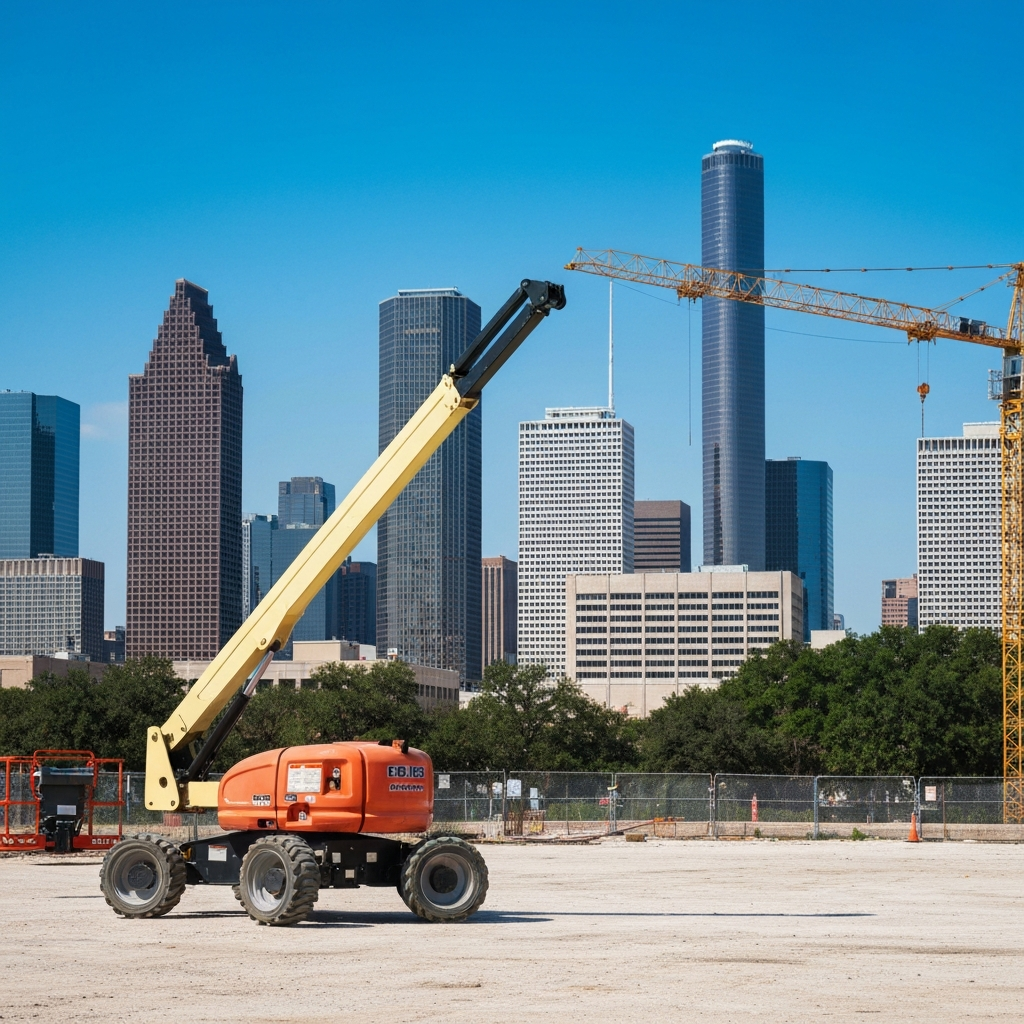
Boom Lift Maintenance Checklist for Safe Daily Operation
Here are the key takeaways from our boom lift maintenance guide:
- A consistent maintenance checklist is your best tool against unexpected breakdowns.
- Daily inspections are crucial for spotting issues before they become major problems.
- Always check fluid levels, including hydraulic oil and engine oil, before starting work.
- Regular checks on safety features protect operators on elevated work platforms.
- Understanding common issues like hydraulic drift can prevent serious equipment failure.
- Proper maintenance extends the life of your boom lift and ensures it runs efficiently.
Introduction
A boom lift is a powerful tool that helps you reach high places safely and effectively. But like any heavy machinery, it needs regular care to stay in top shape. For operators and equipment owners, performing consistent maintenance tasks is not just about keeping the machine running; it’s about ensuring safety and preventing costly downtime. This guide will walk you through an essential checklist to keep your boom lift reliable and ready for any job.
Understanding Boom Lift Maintenance in Houston, TX
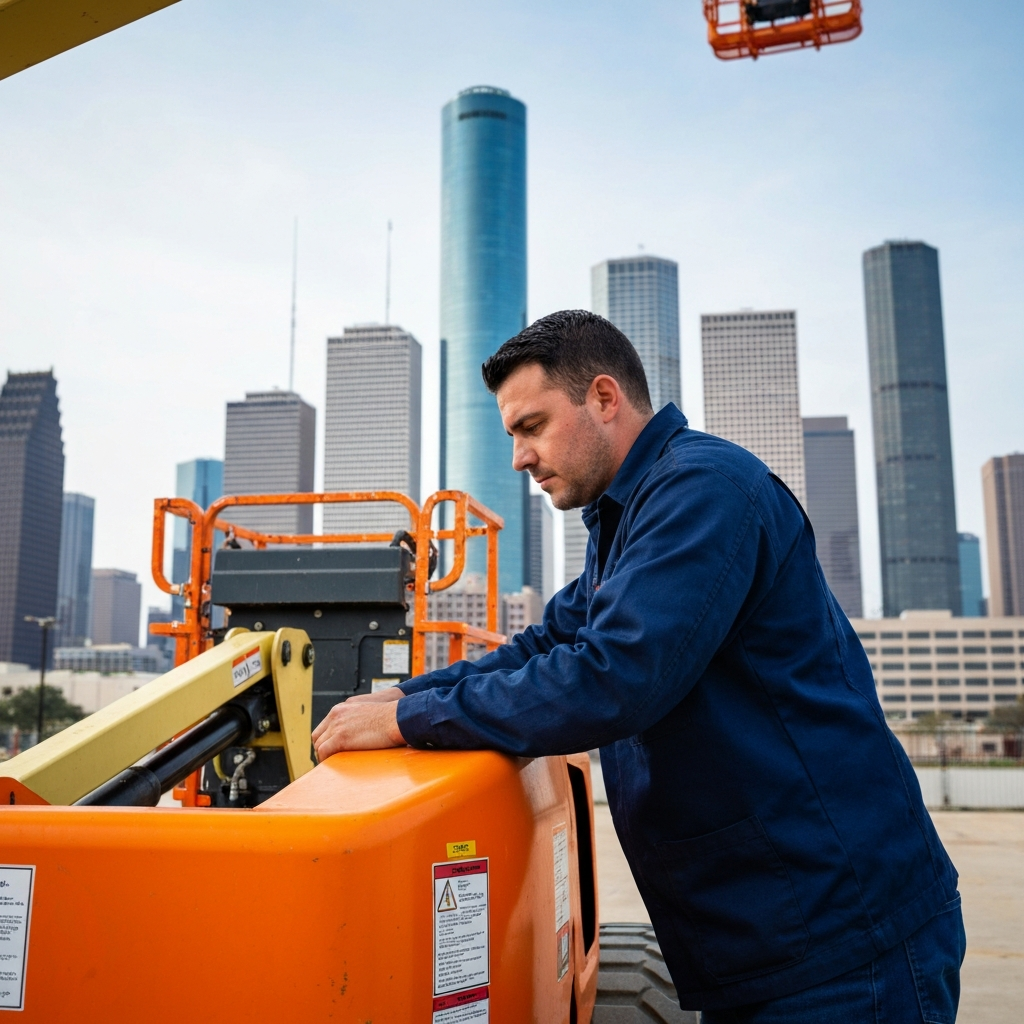
Boom lift maintenance is a critical practice for keeping this essential aerial lift in prime working order. Used across various industries on job sites in Houston and beyond, this piece of equipment needs careful attention to function correctly and safely.
Understanding the specific needs of your machine helps you stay ahead of potential problems. Industry standards, set by bodies like OSHA and ANSI, provide a solid foundation for your maintenance checklist, ensuring you meet all safety and operational requirements.
Why Regular Maintenance Is Crucial for Operators
Keeping your boom lift in good condition through regular maintenance is non-negotiable for operator safety. A well-cared-for machine is far less likely to malfunction, significantly lowering the risk of accidents that could harm you, your coworkers, or bystanders on the job site. When you make routine checks a priority, you are actively creating a safer work environment.
Beyond safety, consistent upkeep ensures the equipment is always ready when you need it. Performing simple maintenance tasks prevents unexpected breakdowns, which means less downtime and fewer expensive repairs. This reliability helps keep your projects on schedule and on budget.
Ultimately, regular maintenance extends the life of the equipment. Catching small issues early, like minor leaks or worn parts, prevents them from turning into major system failures. This proactive approach ensures your boom lift remains a valuable and long-lasting asset.
Local Regulations and Industry Standards in Texas
In Houston, TX, operators must follow both local regulations and national industry standards to ensure safety. Organizations like the Occupational Safety and Health Administration (OSHA) and the American National Standards Institute (ANSI) set the rules for aerial lift safety standards. These guidelines are designed to protect workers and ensure equipment is operated and maintained correctly.
Your maintenance checklist should be built around these standards. They provide a clear framework for what needs to be inspected and how often. This includes daily pre-use checks, as well as more detailed periodic inspections performed by qualified technicians.
Following these standards isn’t just about compliance; it’s about creating a culture of safety on your job site. Adhering to a standardized checklist ensures no critical component is overlooked.
|
Standard Body |
Key Focus Area |
|---|---|
|
OSHA |
Workplace safety, operator training, and equipment inspections. |
|
ANSI |
Equipment design, manufacturing, and safe use standards. |
Essential Tools and Documents for Boom Lift Inspection
Before you even start an inspection, you need to have the right tools and paperwork on hand. A basic maintenance toolkit will help you handle minor adjustments, while a clear boom lift inspection checklist ensures you don’t miss any steps.
Proper documentation is just as important. Keeping detailed records of every inspection is crucial for tracking the machine’s history and proving compliance. Good recordkeeping helps you spot trends and stay on top of scheduled maintenance. We will explore the specific items for your toolkit and how to manage your records.
Must-Have Items for Your Maintenance Toolkit
Having a well-stocked maintenance toolkit makes performing daily checks and minor maintenance tasks much easier. You don’t need to be a master mechanic, but having a few key tools allows you to address small issues on the spot before they become bigger problems. These tools are especially useful for inspecting the hydraulic system and other critical parts of your boom lift.
Your kit should contain items that help with both inspection and simple adjustments. Keeping these tools organized and accessible ensures you can complete your pre-use checks efficiently every single day.
Here are some essential items for your toolkit:
- A set of basic wrenches and a socket set
- Screwdrivers (both flat-head and Phillips)
- A tire pressure gauge
- Clean rags for checking fluid levels and wiping down parts
- A flashlight for inspecting dark or hard-to-see areas
- Grease gun for lubricating moving parts
Recordkeeping and Checklist Templates for Houston Operators
Effective recordkeeping is a cornerstone of any good maintenance program. For every operator, maintaining clear documentation of all inspections and repairs is essential. This not only helps track the equipment’s health over time but also serves as proof of compliance with safety standards.
Using standardized checklist templates can make this process much simpler. These templates guide you through the inspection step-by-step, ensuring no critical area is missed. Many equipment manufacturers and safety organizations offer downloadable templates that you can adapt for your specific machine and job site in Houston.
Whether you use a paper logbook or a digital app, the key is consistency. Every inspection should be recorded with the date, the operator’s name, the machine’s hour meter reading, and any defects found. This detailed history is invaluable for scheduling forklift maintenance and preventing future breakdowns.
Pre-Use Boom Lift Inspection Steps
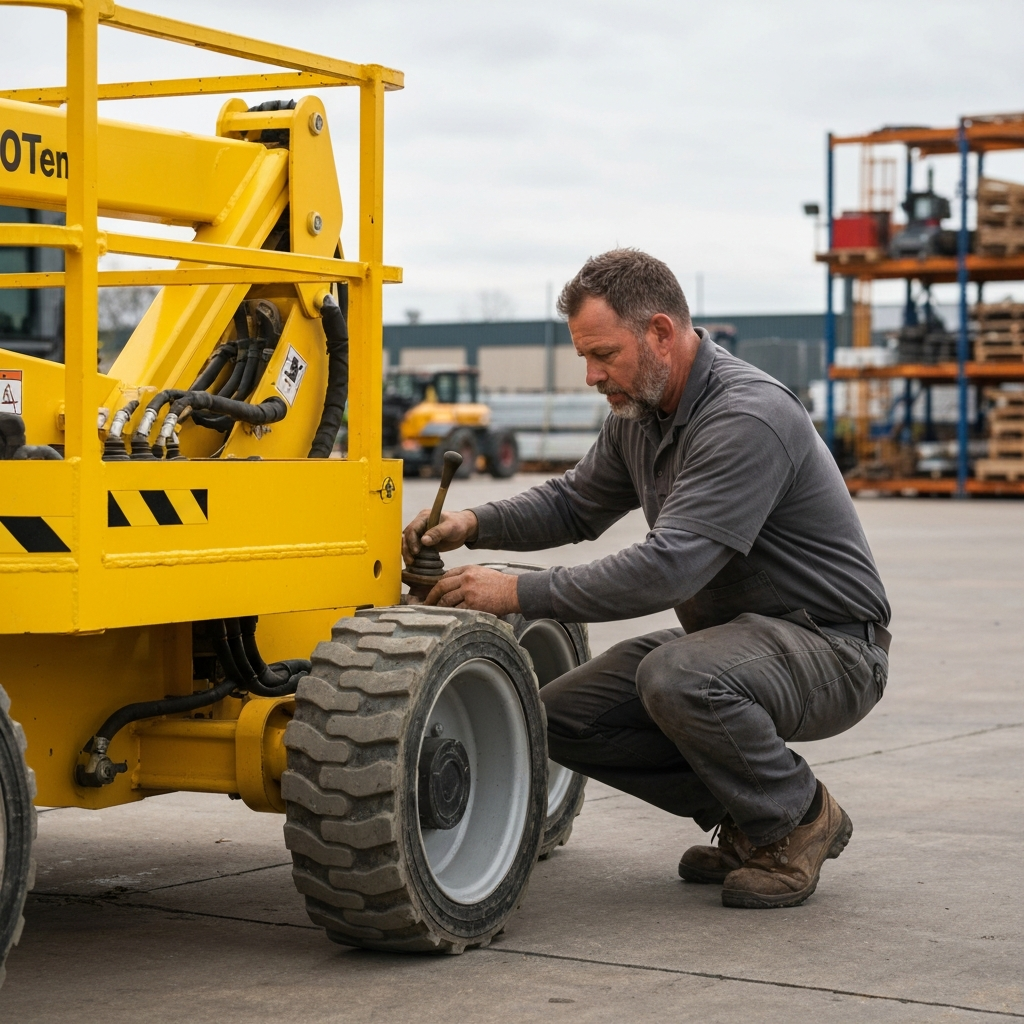
Every day, before you start operating a boom lift, a pre-use inspection is mandatory. This routine is your first line of defense against accidents and equipment failure. The process starts with a simple walkaround inspection to check for obvious issues like damage or missing parts.
Next, you’ll move on to checking fluid levels and testing key functions. This isn’t a deep technical dive but a practical check to ensure the machine is safe to use for the day. Let’s break down what you need to look for during these crucial first steps.
Visual Walkaround Checks
The walkaround inspection is a simple but critical part of your daily routine. It involves doing a complete circle of the boom lift, using your eyes to spot any potential problems. Look for any visible signs of wear, damage, or anything that seems out of place. This includes checking for dents, cracks, or other structural issues.
Pay close attention to key components during your visual checks. Ensure tires are properly inflated and free of damage. Look for any missing parts, like pins, latches, or protective covers, as these small items often play a big role in the machine’s safety and operation.
Also, be sure to verify that all safety decals and manuals are present and readable. These provide vital information for safe operation. Here’s a quick list of what to look for:
- Visible damage, dents, or cracks on the boom and platform
- Tire condition and proper inflation
- Missing parts like bolts, pins, or covers
- Legible safety decals and warning labels
- Signs of fluid leaks on the ground or machine
Checking Fluid Levels and Hydraulic Systems
After your visual inspection, the next step is to check the machine’s vital fluids. Proper fluid levels are essential for the boom lift to run efficiently and safely. A low level of engine oil, coolant, or hydraulic fluid can lead to serious mechanical damage and system failure.
Start by checking the engine oil using the dipstick. Then, find the sight glass for the hydraulic system to ensure the hydraulic oil is at the correct level. While you’re at it, inspect all hoses and fittings for any signs of leaks. Even a small drip can indicate a bigger problem that needs to be addressed.
Don’t forget to check the fuel level to make sure you have enough for the day’s work. For electric models, verify the battery has an adequate charge. Keeping these fluids topped off is a simple task that prevents major headaches down the road.
Safety Component Checks Every Operator Must Perform
Beyond the basic operational parts, your daily inspection must include a thorough check of all safety components. These features are designed to protect you in case of an emergency or equipment failure. Never assume they are working correctly; always test them before you begin work.
You’ll need to inspect everything from emergency systems and fall protection anchor points to the lights, alarms, and platform controls. Ensuring these components are in perfect order is a non-negotiable part of your responsibility as an operator. The following sections will detail how to check each of these critical systems.
Inspecting Emergency Systems and Fall Protection
Your personal safety relies heavily on the boom lift’s emergency systems and fall protection features. Start by testing the emergency stop buttons, both on the ground and in the platform, to ensure they immediately halt all machine functions. You should also test the emergency lowering system to confirm it works as expected.
Next, focus on the fall protection components. Inspect the guardrails to make sure they are secure and undamaged. Check that the entry gate or chain closes properly and latches securely. This is crucial for preventing falls from the platform.
Most importantly, verify that all lanyard anchorage points are solid and in good condition. These points are what connect your safety harness to the lift, and their integrity is vital. A failure here could have catastrophic consequences, so never overlook this check.
- Test ground and platform emergency stop buttons.
- Verify the emergency lowering system is functional.
- Inspect guardrails for security and damage.
- Check that the entry gate closes and latches.
- Confirm lanyard anchorage points are secure.
Examining Lights, Alarms, and Platform Controls
For safe operation, you need to be able to see, hear, and be heard. Check all working lights to ensure they are functional, especially if you’re working in low-light conditions. Test the horn and any other warning alarms, like the backup alarm, to confirm they are loud and clear. These audible alerts are critical for warning people on the ground.
Next, move to the platform controls. Test every joystick and switch to ensure they move smoothly and return to the neutral position when released. Check that all boom functions—raising, lowering, extending, and rotating—operate without any jerking or hesitation. Proper operation of these controls is key to positioning the platform accurately and safely.
Finally, test any additional systems like the tilt alarm, overload sensor, and auxiliary power system. These safety features are designed to prevent you from operating the machine in an unsafe condition. Confirming they are all working gives you the confidence to tackle the job safely.
Scheduled Maintenance vs. Daily Inspections
It’s important to understand that daily inspections and scheduled maintenance are two different things, though both are vital for your boom lift. Daily inspections are quick pre-use checks you perform yourself, using a simple checklist to spot immediate issues.
Scheduled maintenance, on the other hand, involves more in-depth tasks performed at regular intervals, often following the manufacturer’s recommendations. This is typically handled by a qualified technician. Let’s look closer at the differences and what each process involves. For more complex jobs, consider professional forklift repair or scissor lift repair services.
Key Differences and Scheduling Guidelines
Daily inspections are your first line of defense. They are quick, visual, and functional checks performed by the operator before each shift to catch obvious problems. These inspections focus on immediate safety and operational readiness for the specific job site.
Scheduled maintenance is a more thorough, preventive process. These are deeper inspections and service tasks performed at set intervals, such as every month or every 250 hours of use, as outlined in the manufacturer’s recommendations. This often involves tasks like changing oil and filters, lubricating pivot points, and inspecting internal components.
While you handle the daily checks, scheduled maintenance should be performed by a certified technician from a trusted provider like Upright Forklift Repair. This ensures that complex systems are properly serviced, extending the machine’s life and preventing major failures.
- Daily Inspections: Quick pre-use checks by the operator.
- Scheduled Maintenance: In-depth service by a technician at set intervals.
- Frequency: Daily vs. weekly, monthly, or annually.
- Goal: Immediate safety vs. long-term equipment health.
What to Track in Scheduled Maintenance Reports
When it comes to scheduled maintenance, detailed reports are essential. This documentation provides a complete service history of the boom lift, which is invaluable for tracking its health and planning future service. These reports should be much more detailed than your daily inspection log.
Your maintenance reports should track every task performed, from oil changes to major component replacements. Note the date, the machine’s hour reading, and the technician who performed the work. Also, record any parts that were replaced and the reasons why.
This level of detail helps you identify recurring issues, predict when future service will be needed, and minimize unexpected downtime. By analyzing these reports, you can get ahead of potential breakdowns and keep your equipment running smoothly. This proactive approach is the core of an effective preventive maintenance plan.
Common Boom Lift Issues and How to Spot Them
Even with regular maintenance, boom lifts can develop common issues over time. Knowing what to look for can help you spot these problems early, before they become serious potential hazards. Some of the most frequent problems include hydraulic system issues, electrical faults, and structural wear like rust and corrosion.
Being able to identify the early warning signs of these issues is a key skill for any operator. In the next sections, we’ll cover how to spot problems with the hydraulic system and recognize signs of physical and electrical wear.
Identifying Problems with Hydraulics
The hydraulic system is the muscle of your boom lift, so any issues here can seriously affect performance and safety. One of the most common signs of trouble is visible leaks. Always inspect hoses, fittings, and cylinders for any fluid drips or wet spots. Even a minor leak can lead to a loss of hydraulic pressure.
Another critical issue to watch for is hydraulic drift. This is when the boom moves or lowers on its own, even when the controls are not engaged. This indicates internal leaks in the system and is a major safety hazard. Also, listen for unusual noises or jerky movements when operating the boom, as this can signal contamination in the hydraulic fluid.
Catching these potential issues early is crucial. Dirty or contaminated fluid can quickly cause damage to the entire system, leading to costly repairs and significant downtime.
- Check for visible fluid leaks from hoses or cylinders.
- Watch for hydraulic drift (uncontrolled boom movement).
- Listen for strange noises during operation.
- Note any jerky or erratic boom movements.
Recognizing Signs of Rust, Corrosion, or Electrical Faults
Rust and corrosion are more than just cosmetic problems; they can weaken the structural integrity of your boom lift. During your walkaround, carefully inspect the boom sections, platform, and chassis for any signs of corrosion. Pay special attention to welds and connection points, as these are common areas for rust to form.
Electrical faults can also be a major issue, causing anything from erratic controls to a complete system failure. Look for worn or frayed wiring, loose connectors, and malfunctioning lights or alarms. “Ghost faults,” where the system shows an error without a clear cause, can also point to underlying electrical problems.
These signs of wear should never be ignored. They compromise the safety and reliability of the machine. Here’s what to keep an eye out for:
- Patches of rust or bubbling paint.
- Weakened metal surfaces, especially at welds.
- Frayed wires or damaged electrical connectors.
- Warning lights or alarms that don’t work correctly.
- Controls that behave erratically or fail to respond.
How Routine Maintenance Extends Equipment Lifespan
Routine maintenance is the secret to getting the most out of your boom lift. Just like regular oil changes for your car, consistent care helps extend the equipment lifespan significantly. By catching and fixing small problems early, you prevent them from becoming major failures that could take your machine out of service permanently.
This proactive approach saves you money in the long run by reducing the need for costly, unexpected breakdowns and minimizing downtime. Let’s explore the specific benefits for both performance and your bottom line.
Benefits for Performance and Operator Safety
The most important benefit of regular maintenance is enhanced operator safety. A well-maintained boom lift is a reliable one. When all components are in good working order, the risk of sudden equipment failure drops dramatically. This means you can work at height with confidence, knowing that safety systems will function as intended.
Consistent maintenance also leads to better performance. When moving parts are properly lubricated, filters are clean, and fluids are at the right levels, the machine operates more efficiently. You’ll notice smoother boom movements, more responsive controls, and better power output, allowing you to complete your tasks more effectively.
Ultimately, this commitment to upkeep creates a safer and more productive work environment. By preventing malfunctions, you protect yourself and your coworkers while ensuring the equipment performs at its best, every time you turn the key.
Reducing Unexpected Repairs and Downtime
Nobody likes surprises, especially when they involve expensive repairs. A consistent boom lift maintenance schedule is your best defense against unexpected breakdowns. By identifying and addressing issues like worn hoses or low fluid levels early, you can prevent them from snowballing into catastrophic failures.
This proactive approach directly translates to less downtime. When your equipment is reliable, it’s always ready to work, keeping your projects on track and on budget. Planned maintenance is far more efficient and less costly than reacting to an emergency repair in the middle of a job.
Think of it as an investment in reliability. A small amount of time spent on daily checks and scheduled service pays huge dividends by keeping your machine out of the repair shop and on the job site.
- Catch minor issues before they become major problems.
- Keep projects on schedule by avoiding unplanned downtime.
- Save money by preventing costly emergency repairs.
- Improve overall equipment reliability and availability.
Conclusion
In conclusion, regular boom lift maintenance is not just a checklist—it’s a commitment to safety and efficiency. By understanding and adhering to maintenance protocols, operators can ensure their equipment runs smoothly and lasts longer, reducing costly repairs and downtime. Safety checks, fluid inspections, and compliance with local regulations are crucial for maintaining operational standards. Remember, keeping your boom lift in top shape benefits not only the equipment but also the operators who rely on it daily. If you’re looking to enhance your equipment management strategy, don’t hesitate to get a free consultation to explore effective maintenance solutions tailored to your needs.
Frequently Asked Questions
How often should boom lift maintenance be performed in Texas?
In Texas, boom lift maintenance should include daily inspections performed by the operator before each use. More in-depth, regular maintenance should follow the manufacturer’s recommendations, which typically suggest service intervals based on hours of use (e.g., weekly, monthly, or annually). Always use a checklist to ensure nothing is missed.
What items are always included in a boom lift maintenance checklist?
A boom lift maintenance checklist will always include checks of fluid levels (hydraulic, oil, fuel), a visual inspection for damage or leaks, and tests of all safety features like emergency stops and alarms. These core maintenance tasks are essential for all equipment owners and operators to perform regularly.
Are downloadable maintenance checklist templates available for operators?
Yes, many downloadable checklist templates are available for operators. Equipment manufacturers, rental companies, and safety organizations often provide a boom lift inspection checklist online. Using a template simplifies recordkeeping and ensures your documentation is thorough and consistent, which is crucial for every operator.