
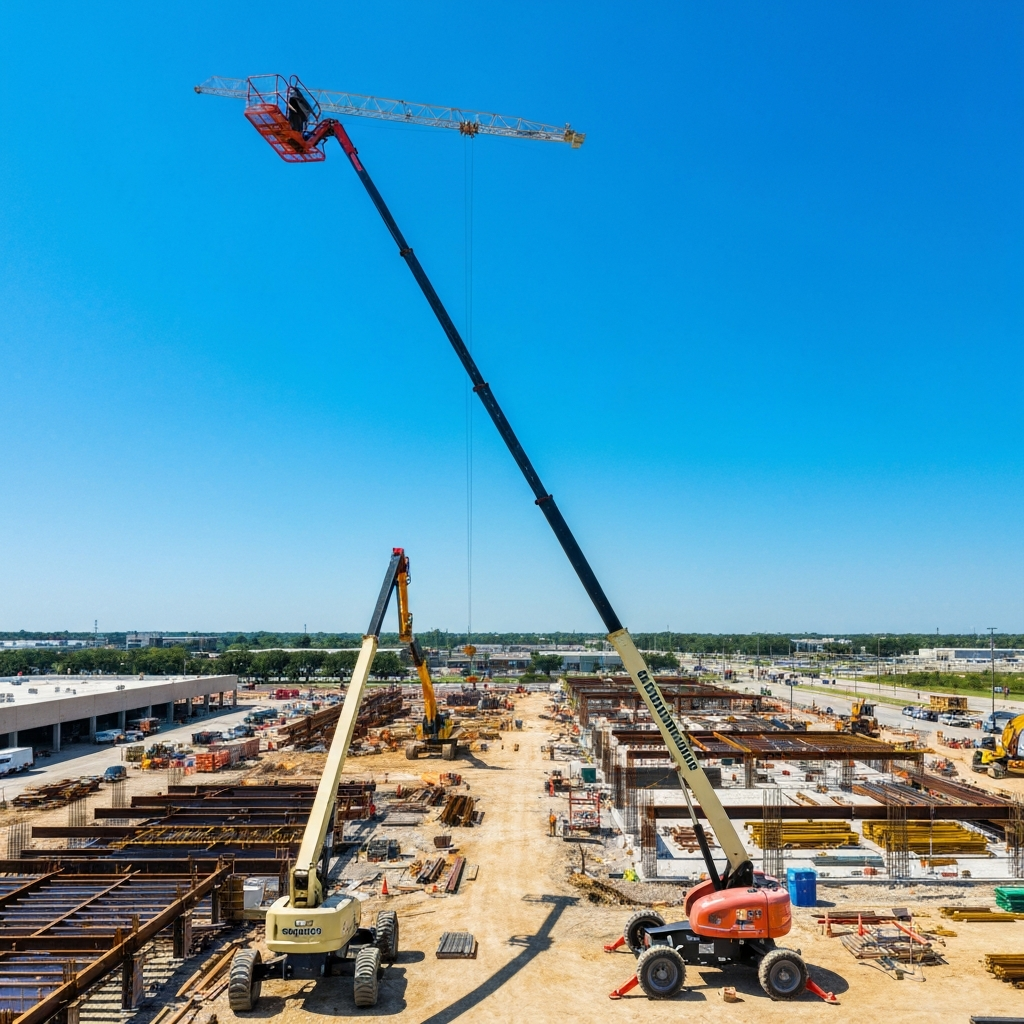
Average Boom Lift Maintenance Cost: What to Budget Annually
Here’s what you need to know about boom lift maintenance costs: Annual maintenance expenses for a boom lift can range from a few thousand dollars to over $30,000, depending on its size, age, and how you use it. In general, maintenance costs for commercial use, which may include premium surcharges, are often higher than for home use, since commercial applications typically involve more frequent operation and stricter annual maintenance requirements, which can increase overall maintenance expenses.
- Annual maintenance expenses for a boom lift can range from a few thousand dollars to over $30,000, depending on its size, age, and how you use it.
- The true cost of boom lift ownership is heavily influenced by factors like the machine’s type, age, and overall condition.
- Budgeting around 10-15% of the lift’s purchase price for annual maintenance and prevention treatments is a common industry guideline.
- Routine maintenance, such as regular inspections and fluid checks, is the best way to prevent costly repairs down the line.
- Major expenses often come from repairing hydraulic systems, engines, and electrical components.
- Understanding these costs helps you decide whether to repair or replace an aging lift.
Introduction
Owning a boom lift is a major investment, but the initial purchase price is just the beginning. The real cost shows up in the annual maintenance expenses and mobile data costs needed to keep your equipment running safely and efficiently. If you’re wondering what to budget for boom lift maintenance costs, you’re in the right place. This guide breaks down the key factors that affect your expenses, from the type of lift you own to common repair needs, helping you plan your finances and avoid unexpected bills.
Key Factors Affecting Boom Lift Maintenance Costs in Houston, TX
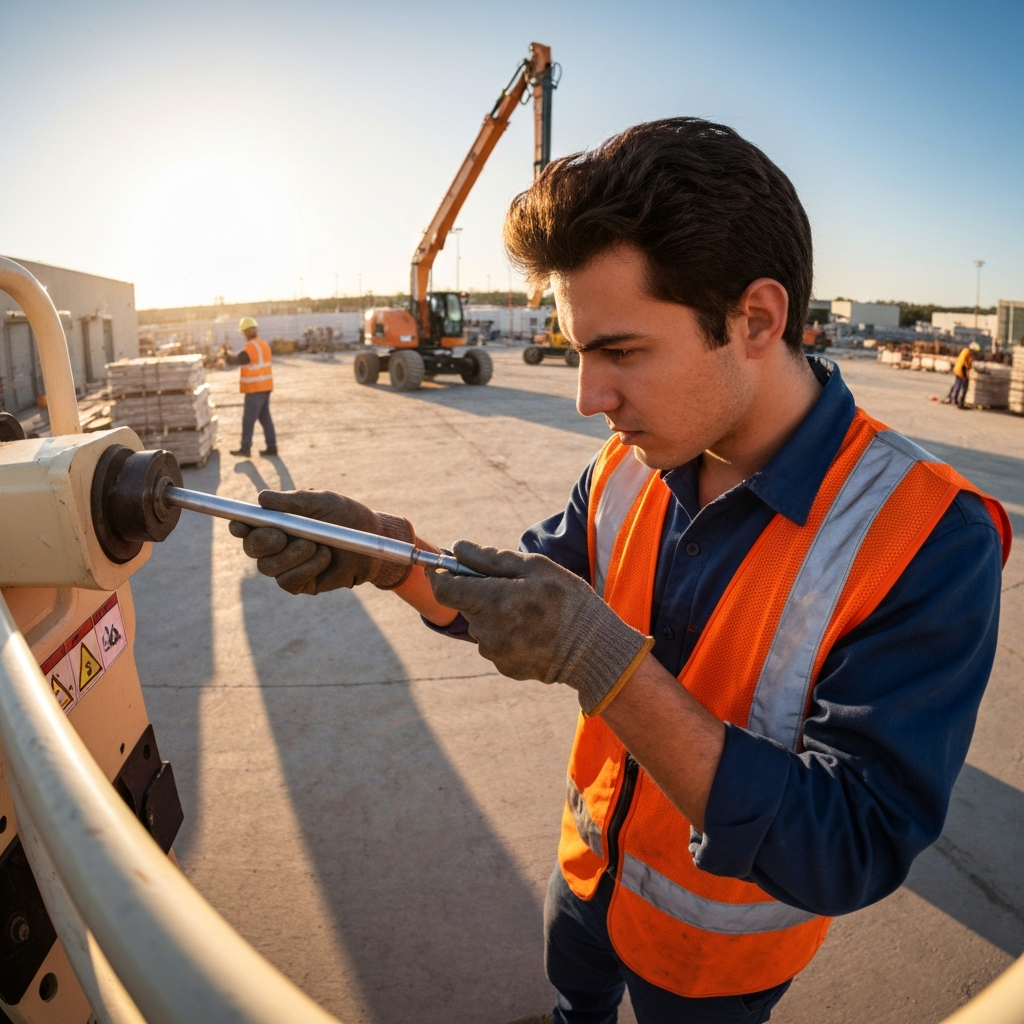
The maintenance costs for your boom lift can change quite a bit based on where you operate, especially for field crews. In a place like Houston, TX, regional climate factors like high humidity and heat can put extra stress on your equipment. This environment can speed up wear on hydraulic systems and engine components, leading to higher maintenance expenses over time.
Understanding these local influences is key to creating a realistic budget. Your maintenance expenses are not just about fixing what breaks but also about proactive care to prevent failures caused by environmental stress factors. We’ll explore the main factors that determine your costs, starting with the type and size of your lift.
Type and Size of Boom Lift
The specific model of your boom lift plays a huge role in determining your maintenance costs. Larger and more complex machines, like articulating boom lifts, naturally have higher upkeep expenses. Their intricate systems, with more moving parts and joints, require more frequent attention than simpler, standard models. Additionally, technicians must test emergency descent systems during maintenance, ensuring safety and reliability. An articulating lift might need more care for its knuckle booms, while a telescopic boom might have fewer pivot points to worry about.
For example, a large crane-style boom lift will have more complex hydraulics and structural components than a smaller, 45-foot model. The parts for these bigger machines are not only more expensive but can also require specialized labor to install, especially for utility projects, driving up the overall cost of repairs.
When you’re budgeting, it’s crucial to consider the precise specifications of your equipment. How do maintenance costs for articulating boom lifts compare with standard models? Generally, the added complexity of an articulating lift means you should plan for slightly higher annual maintenance expenses to cover potential joint and hydraulic system service, leading to substantial annual sums.
Age, Hours, and Overall Condition Boom Life Maintenance Cost
Just like any vehicle, the older a boom lift gets, the more it will likely cost to maintain. As a machine racks up hours, its components start to wear out, leading to idle equipment when failures occur. This gradual decline increases the probability of equipment failure and drives up maintenance costs. What factors increase the maintenance cost of a boom lift over time? Age and usage are the biggest ones. An older lift that has seen heavy duty cycles will need more attention than a newer machine used only occasionally.
Historical failure data shows that after a certain number of operating hours, major components like engines and hydraulic pumps are more likely to need an overhaul, making it essential to consider the sticker price of ownership. A machine with 10,000 hours will have a much different maintenance profile than one with only 2,000 hours. Neglecting regular service can accelerate this process, leading to more frequent and severe repairs.
The overall condition of the lift is a direct reflection of its past care. A well-maintained older machine might cost less to run than a newer, abused one. That’s why keeping detailed service records, including overtime labor rates, is so important—it gives you a clear picture of what to expect and helps you budget more accurately for future maintenance costs.
Typical Annual Maintenance Expenses for Boom Lifts
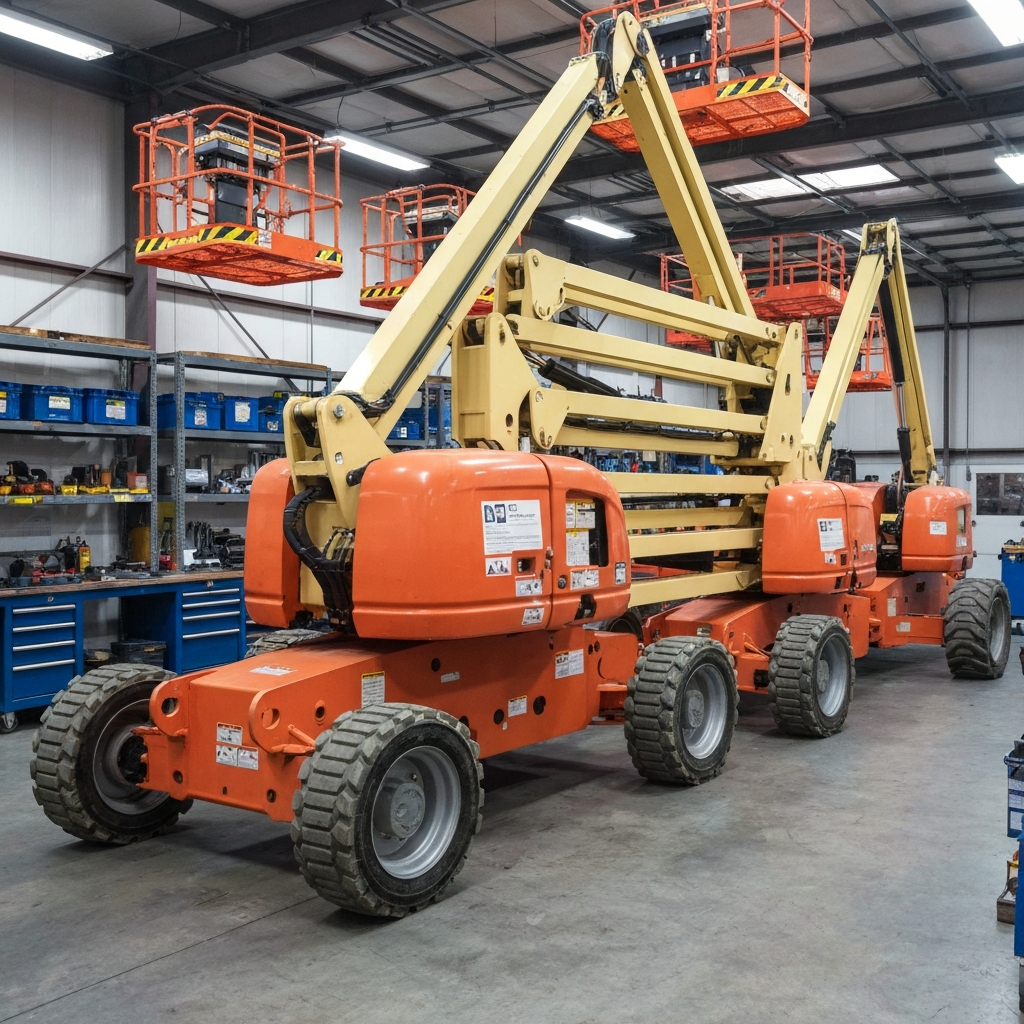
When you own a boom lift, you need to plan for typical annual maintenance expenses, including a service visit. These costs cover everything from routine servicing to unexpected repairs. As a general rule, many contractors budget about 10–15% of the machine’s original purchase price each year for upkeep. This means a $100,000 boom lift could incur around $15,000 in annual maintenance costs.
This figure helps you estimate your total maintenance cost outlay, including potential hardware costs, but remember that it’s an average. A brand-new machine might cost less in its first few years, while an older one could easily exceed this percentage. Let’s look at how these costs break down for different models and what common repairs you should anticipate.
Average Yearly Costs for Different Boom Lift Models
Your annual maintenance costs will vary significantly based on the size of your boom lift. Smaller lifts are generally less expensive to maintain, while larger, more complex models demand a bigger budget. For instance, what is the average yearly maintenance cost for a 45-foot boom lift? You might budget less than an entire year of routine maintenance savings for a 60-foot or 80-foot machine due to smaller parts and simpler systems.
The number of hours the machine is used each year also impacts the cost in real dollars. A lift that runs 1,000 hours a year will have higher maintenance costs than one that only runs 200 hours, and a single breakdown can significantly increase these costs. The cost per shop hour for a qualified technician also factors into the total expense.
Here is a general idea of what you might expect to spend, based on a budget of 10-15% of the initial purchase price, including potential costs related to punch lists:
|
Boom Lift Type |
Estimated New Price |
Estimated Annual Maintenance Cost |
|---|---|---|
|
45-ft Boom Lift |
$85,000 |
$8,500 – $12,750 |
|
60-ft Boom Lift |
$150,000 |
$15,000 – $22,500 |
|
80-ft Boom Lift |
$180,000 |
$18,000 – $27,000 |
Common Repair and Replacement Needs
Beyond routine service, every boom lift owner will eventually face common repairs and replacements, often requiring downtime coordination. Are there common repair costs associated with boom lift ownership? Absolutely. Some of the most frequent and costly repairs involve the hydraulic system. A simple blown hose might be a minor fix, but a failed hydraulic pump can set you back thousands of dollars.
Engine and electrical system issues are also common, especially in older machines. An engine overhaul is one of the most expensive jobs you can face, often running into five figures. Similarly, troubleshooting a sudden electrical fault in a modern boom lift with complex controls can be time-consuming and costly, especially when unexpected problems arise that affect project schedules.
Tire replacements: Essential for stability and safety, but can be a significant expense. Additionally, parts costs like oil, filters, and sensors should be considered in your maintenance budget.
- Tire replacements: Essential for stability and safety, but can be a significant expense.
- Hydraulic hoses and seals: These degrade over time and can cause major issues if they fail.
- Filters: Regular replacement is necessary for the engine, hydraulic system, and fuel lines.
- Pins and bushings: These components in the boom’s joints wear out and need replacement to prevent unsafe movement.
Routine Maintenance Tasks to Keep Costs Manageable
The best way to control high maintenance expenses is to invest in routine maintenance. These proactive tasks help you catch small problems before they become major, expensive failures. While it may seem like an added cost, the money you spend on preventive expenses is a fraction of what you would pay for emergency repairs and downtime.
Sticking to a consistent schedule helps you protect your investment and squeeze margins on your projects, especially related to subcontractor agreements. By keeping your boom lift in top condition, you ensure it’s ready to work when you need it, avoiding delays and lost revenue. Next, we’ll cover the specific inspections and tasks that make a difference.
Regular Inspections and Service Intervals
Sticking to a schedule of regular inspections is your first line of defense against high repair bills. Which regular inspections help lower the long-term maintenance costs of a boom lift? Daily walk-arounds by the operator are critical. This simple check can spot leaks, damage, or wear before the machine even starts for the day. OSHA inspectors and following the manufacturer’s recommended service intervals for more in-depth checks is just as important.
Keeping detailed service logs and maintenance charts helps you track what’s been done and what’s due. This documentation is invaluable for spotting trends and planning for future service. It also proves that you’re following safety and maintenance protocols, which can be important for insurance and compliance.
Formal operator training courses also play a role, as they can incur additional travel expenses. A well-trained operator knows how to use the machine properly, reducing wear and tear. They are also better at identifying potential issues during pre-use inspections. Here are key inspections to perform:
- Daily pre-operation visual checks.
- Weekly or monthly functional tests of all controls.
- Quarterly inspections of critical safety systems.
- Annual professional inspections, including dielectric testing for insulated booms.
Essential Parts and Fluids for Longevity
To keep maintenance costs manageable, focusing on the basics is key. What routine maintenance is required for a boom lift to keep costs manageable during peak production windows? Regular filter swaps and fluid checks are at the top of the list. Clean fluids are the lifeblood of your machine’s engine components and hydraulic pumps. Contaminated oil can quickly destroy expensive parts, leading to major repairs.
Regular oil analysis is a great preventive tool. It allows you to see what’s happening inside your engine and hydraulic system by detecting tiny metal particles or contaminants in the fluid. This can alert you to a developing problem long before it causes a catastrophic failure, saving you thousands in the long run.
Beyond fluids, pay attention to the small but essential parts that ensure your boom lift’s longevity, which should be handled by qualified personnel. Consistently checking and maintaining these items will prevent bigger, more expensive problems down the road:
- Engine and hydraulic filters: Replace them according to the manufacturer’s schedule.
- Hydraulic fluid and engine oil: Keep them at proper levels and change them regularly.
- Grease points: Lubricate all pivot points to reduce friction and wear.
- Cooling system: Ensure it’s clean and full to prevent the engine from overheating.
Conclusion
In summary, understanding the average boom lift maintenance costs is essential for any business operating these machines, especially in relation to insurance carriers’ policies. By considering key factors such as the type and size of the lift, its age, and the condition, you can better estimate your yearly expenses. Regular inspections and maintenance tasks play a crucial role in managing costs and ensuring longevity. Budgeting for both routine and unexpected repairs will not only save you money in the long run but also keep your operations running smoothly. If you’re looking for personalized insights on managing your boom lift expenses, don’t hesitate to book a free consultation with our experts today!
Frequently Asked Questions
How do I estimate the yearly maintenance budget for my boom lift?
A good rule of thumb is to budget 10-15% of the boom lift’s purchase price annually for maintenance costs. Use historical data from service logs and predictive analytics to refine this estimate. Accounting for preventive expenses in real dollars helps avoid issues caused by documentation lapses and informs the critical sell decision.
Is renting more cost-effective than buying when it comes to maintenance costs?
Renting can be more cost-effective for short-term projects, as maintenance costs and subscription fees are included in the rental fee. For long-term or frequent use, buying is often better, but you must budget for maintenance expenses. Rental substitutions can help you squeeze margins when a primary machine is down for service.
What signs show a boom lift is too expensive to keep repairing?
If repair costs exceed 50% of the machine’s current value, it’s often time to replace it. Frequent, costly repairs or a single unscheduled failure that cripples operations—such as issues with electronic control systems—are also strong signs. A rising probability of equipment failure makes keeping an old machine a financial risk.
What factors contribute to the average maintenance cost of a boom lift per year?
Key factors include the boom lift’s age, type, and hours of use (duty cycles). Regional climate factors layer on extra tasks, the condition of the hydraulic system, and how well maintenance is tracked also significantly impact annual maintenance costs. Inconsistent records or documentation lapses often lead to higher expenses.
How can I budget for unexpected maintenance expenses when owning a boom lift?
Create a proactive budget by setting aside a contingency fund specifically for unexpected expenses. This fund can cover emergency parts shipping or overtime labor. Having this buffer in your plan for maintenance costs helps you manage surprises without derailing your finances.
Are there specific maintenance tasks that can help reduce long-term costs for boom lifts?
Yes, focusing on preventive expenses is key. Daily fluid checks, regular lubrication, and functional tests of emergency descent systems can prevent major failures. Even minor oversights, such as skipping some of these checks, can lead to significant issues. Following manufacturer-recommended maintenance charts helps you stay on top of tasks and reduce long-term maintenance costs.
What are the common issues that can arise with boom lifts, and how do they impact maintenance costs?
Common issues include failures in hydraulic circuits and sudden electrical faults. These problems can lead to significant downtime and high maintenance costs. In extreme cases, a major component failure can sideline a machine entirely. Partnering with reliable parts distributors can further mitigate these issues. Proper operator training courses can help prevent many of these issues.