How Often Do Boom Lifts Fail? Risks, Causes & Prevention
- Boom lifts are essential tools on construction sites, but they come with risks.
- Failures often stem from mechanical issues, like hydraulic problems, and operator errors.
- Compared to other aerial lifts, boom lifts are involved in a higher percentage of fatal accidents.
- OSHA provides strict regulations for boom lift operation and maintenance to ensure safety.
- Regular inspections and proper training are the best ways to prevent accidents.
- Following manufacturer guidelines for maintenance helps extend the life of the equipment and keeps construction workers safe.
Introduction
Boom lifts are a common sight on job sites, helping construction workers reach impressive heights. But have you ever wondered how safe they really are? While these machines are built for tough jobs, they can fail, leading to serious accidents. Understanding the risks associated with boom lifts is the first step toward improving aerial lift safety. This guide will explore how often these failures happen, what causes them, and what you can do to keep your team safe.
Understanding Boom Lifts and Their Role on Houston Job Sites
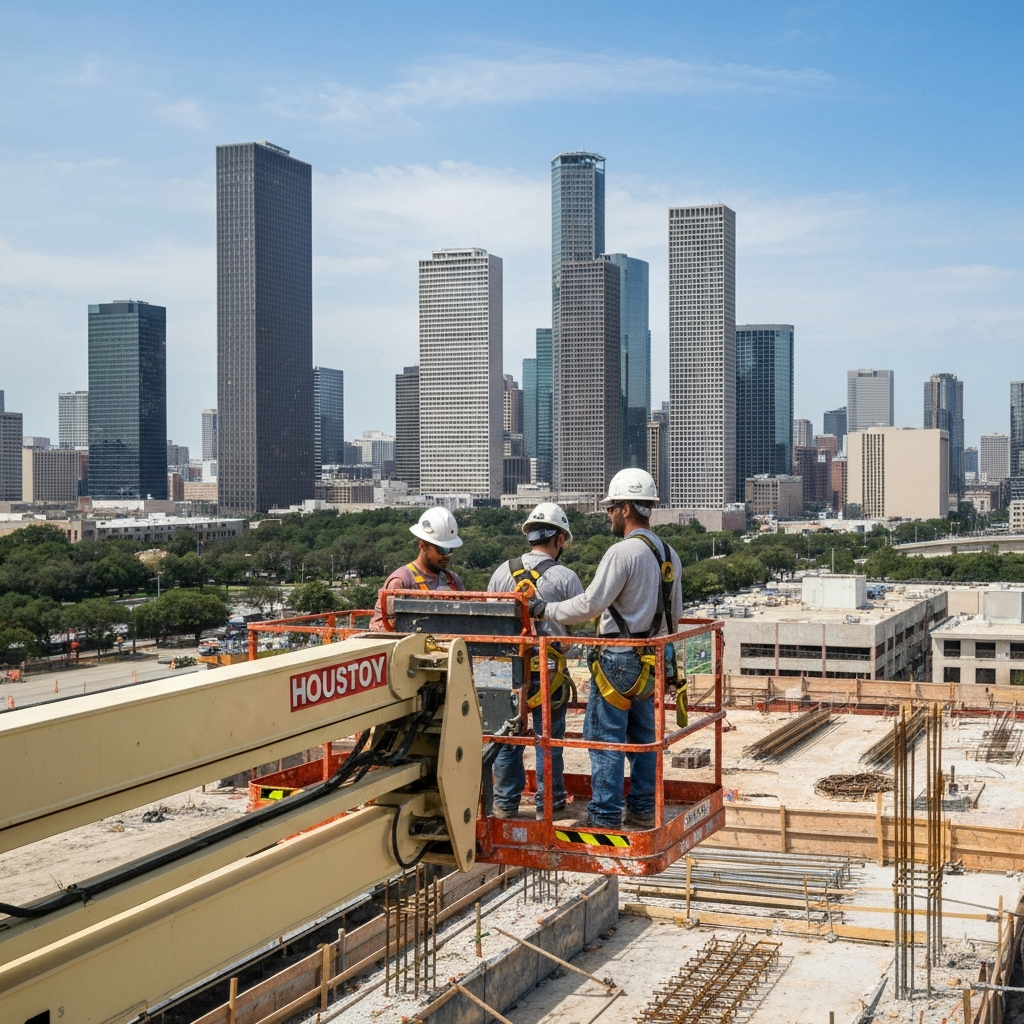
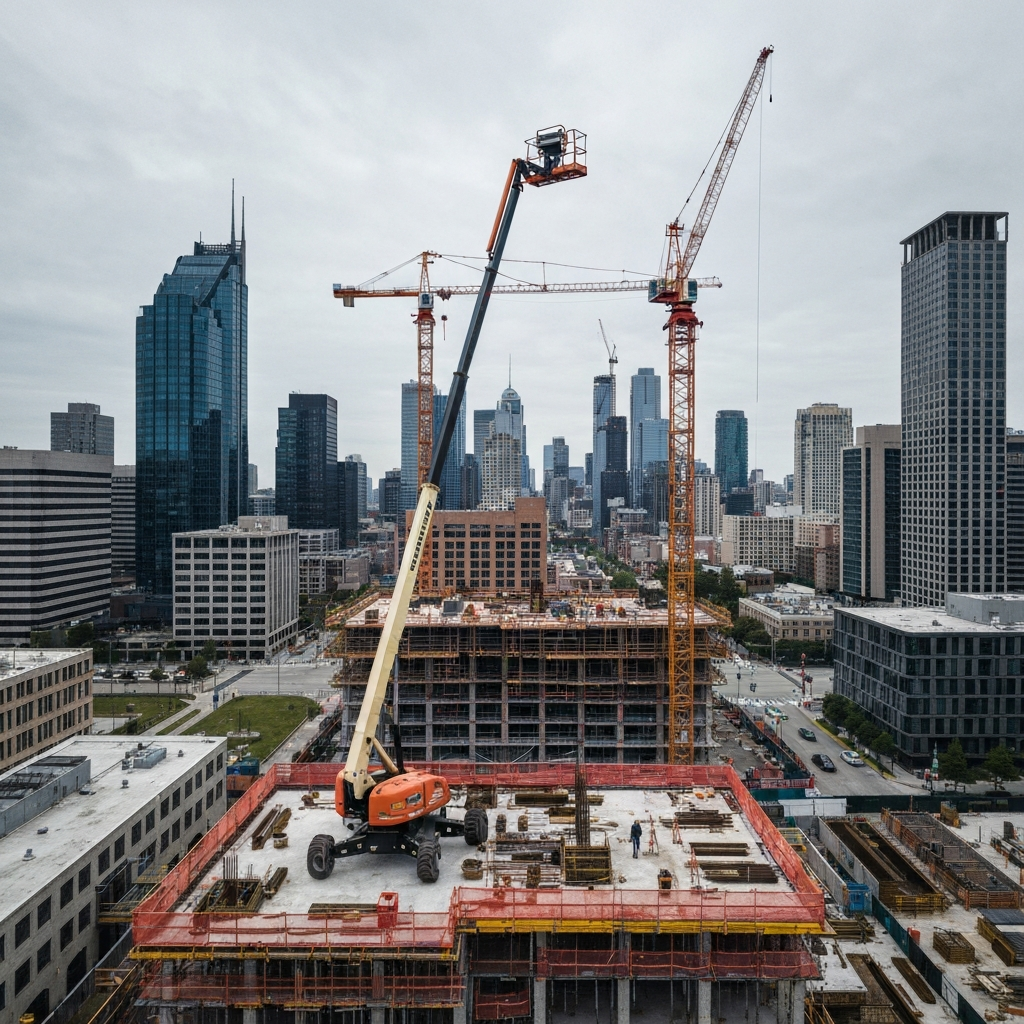
Boom lifts are a type of aerial lift featuring a hydraulic arm with a platform or bucket at the end. They are designed to move workers to elevated areas with greater flexibility than other lifts. Their ability to extend both vertically and horizontally makes them invaluable.
On busy Houston job sites, construction workers rely on boom lifts for a wide range of tasks. From building construction to maintenance work, these machines provide access to hard-to-reach places, improving efficiency and helping projects stay on schedule. Proper use and maintenance are key to their safe operation.
Types of Boom Lifts Commonly Used in Texas
In Texas, you’ll see several types of aerial lifts on job sites, each suited for different tasks. The two main kinds of boom lifts are articulating and telescopic. Articulating boom lifts have bendable arms, allowing them to navigate around obstacles, which is perfect for complex job sites. Telescopic boom lifts, on the other hand, have a straight arm that extends, offering maximum horizontal reach.
Besides these, other aerial lifts like scissor lifts are also common. Scissor lifts move straight up and down and offer a larger platform, making them ideal for jobs that require more space for workers and materials. You might also see bucket trucks, which are often used for utility work, like servicing power lines.
Each type of aerial lift has its own set of applications and safety considerations. While boom lifts offer great reach, scissor lifts provide stability and a larger work area. Choosing the right lift for the job is a critical part of ensuring safety and efficiency.
Key Applications for Boom Lifts in Construction and Industry
Boom lifts are incredibly versatile, making them a staple in both construction and various industrial sectors. Their primary function is to provide temporary access for people or equipment to elevated and hard-to-reach areas. Aerial lift operations are crucial for tasks that would otherwise be dangerous or impossible.
The unique reach and mobility of boom lifts make them suitable for a wide array of aerial lift use cases. For instance, construction workers frequently use them for steel erection, painting, and installing windows on tall buildings. In industrial settings, they are used for maintenance, repairs, and inspections of machinery and infrastructure.
Some key applications include:
- Building maintenance and repair
- Electrical and utility work
- Tree trimming and care
How Often Do Boom Lifts Fail? Examining the Statistics
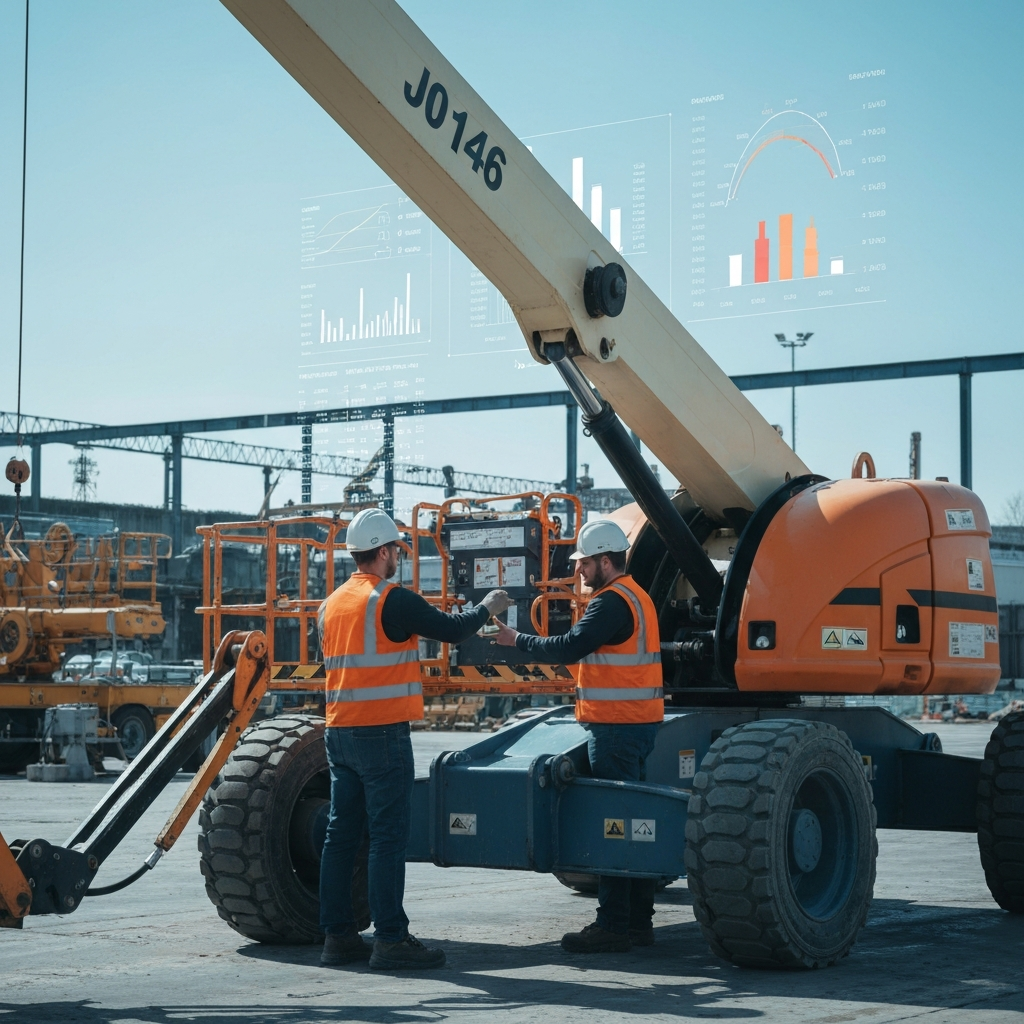
It’s a critical question for any site manager: how frequently do boom lifts fail? While well-maintained boom lifts are generally reliable, failures can and do happen. These incidents are often linked to a lack of proper maintenance or operator error rather than inherent flaws in the equipment itself.
The failure rates for boom lifts can be reduced significantly with proactive care. When safety features and mechanical systems are regularly checked, the risk of unexpected breakdowns drops. We will now look at how their failure rates compare to other aerial lifts and what the data says about accidents.
Failure Rates Compared to Other Aerial Lifts
When you compare boom lifts to other types of aerial work platforms, some interesting patterns emerge. According to one study, boom lifts were involved in nearly 70% of fatal aerial lift accidents. This is a significantly higher rate than for scissor lifts, which accounted for about 25% of such incidents.
This disparity doesn’t necessarily mean boom lifts are inherently more dangerous. Instead, it often points to how they are used. Their extended reach can bring workers closer to hazards like power lines. Mechanical issues, such as problems with the hydraulic oil, can also contribute to failures if not addressed through diligent aerial lift safety protocols and regular forklift maintenance.
Here is a quick comparison based on accident data:
|
Aerial Lift Type |
Approximate Percentage of Fatal Accidents |
|---|---|
|
Boom Lifts |
70% |
|
Scissor Lifts |
25% |
What Data Says about Boom Lift Incidents in the United States
Data collected across the United States sheds light on the serious nature of boom lift incidents. According to a study by elCOSH, an average of 26 construction workers die each year from accidents involving aerial lifts. This highlights the critical need for strict safety measures.
A significant portion of these fatalities involves boom lifts. The leading causes of death are falls, electrocutions, and tip-overs. Electrocutions are a particular concern with telescopic boom lifts, as their reach makes accidental contact with overhead power lines a major risk.
The Occupational Safety and Health Administration (OSHA) tracks these incidents and uses the data to inform its regulations. The statistics consistently show that proper training and adherence to safety protocols could prevent many of these tragic accidents. This makes ongoing education and vigilance essential for every team using an aerial lift.
Leading Causes of Boom Lift Failures and Accidents
Understanding why boom lifts fail is key to preventing accidents. The causes can generally be split into two main categories: mechanical issues and human error. Mechanical problems often arise from wear and tear or inadequate maintenance, while operator errors are typically linked to a lack of training or unsafe practices.
Both factors can lead to devastating consequences on a job site. Improving aerial lift safety requires addressing both the machine and the person operating it. Let’s explore the specific mechanical issues and operator mistakes that lead to failures.
Mechanical Issues and System Malfunctions
Mechanical failures are a significant contributor to boom lift accidents. One of the most common problems lies within the hydraulic system. Contaminated hydraulic oil can cause jerky movements, and failed seals can lead to dangerous leaks. If left unchecked, these issues can result in a loss of control over the boom.
Electrical systems are another area of concern. Worn connectors and cables can cause control failures or “ghost faults,” where the system reports errors that aren’t there. Over time, rust and corrosion can weaken the structural integrity of the lift, making it prone to fractures or catastrophic failure during operation.
These malfunctions not only pose serious safety hazards but also lead to downtime and costly repairs. Regular inspections of safety systems are crucial to catch these problems early. Investing in proper forklift repair and maintenance services ensures your equipment remains safe and reliable.
Operator Errors and Unsafe Practices
Even a perfectly maintained boom lift can be dangerous in the hands of an untrained operator. A lack of training is one of the biggest contributors to accidents. Aerial lift operators who don’t understand the machine’s limits or safety features are more likely to make critical mistakes.
Common errors include overloading the platform, which can cause the lift to tip over. Another unsafe practice is failing to wear the proper personal protective equipment (PPE), such as a harness. In the event of a sudden jolt or equipment failure, a harness can be the difference between a close call and a fatal fall.
Operating on unstable ground or in unsafe weather conditions also falls under operator error. All operators must be trained to assess their work environment and follow all safety protocols to prevent accidents and ensure everyone on the job site remains safe.
Major Hazards Associated with Boom Lifts in Houston, TX
In a bustling environment like Houston, boom lift operators face numerous hazards. The combination of active construction sites, unpredictable weather, and dense infrastructure creates a challenging work setting. Key risks include contact with power lines, instability on uneven ground, and operating in high winds.
Understanding these specific dangers is crucial for safe operation. The machine’s safety features are designed to help, but they cannot replace an operator’s awareness and good judgment. Next, we’ll look at common on-site risks and review some real-world examples of failures.
Common On-Site Risks and Safety Challenges
Operating a boom lift safely means being constantly aware of your surroundings. One of the most significant on-site risks is uneven surfaces. Working on slopes, loose gravel, or soft ground can destabilize the lift and lead to a tip-over, posing a risk of serious injury.
Another major hazard is the presence of overhead obstructions. Overhead power lines are especially dangerous, as contact can lead to electrocution. Operators must always maintain a safe distance. Weather conditions also present challenges; high winds and heavy rain can make the lift unstable and impair visibility.
To enhance aerial lift safety, operators must always inspect the work area before starting. Key risks to watch for include:
- Slopes or unstable ground
- Overhead power lines and structures
- Pedestrian and vehicle traffic
Real-World Examples of Boom Lift Failures
Real-world incidents tragically illustrate the dangers of boom lift failures. In many cases, accidents happen because warning signs were ignored. A significant part of workers involved in fatal incidents were either improperly trained or not using the required safety gear.
For example, there have been numerous reports of tip-overs caused by operating on a slope greater than the machine’s rating. In other cases, mechanical failures that could have been caught during routine checks led to disaster. A worn hydraulic hose that finally bursts or a corroded structural component that gives way can have catastrophic results.
These stories often share common themes:
- Neglecting to inspect for signs of wear
- Operating the aerial lift in unsafe conditions
- Failing to use personal protective equipment
These examples underscore why vigilant maintenance and operator training are not just best practices—they are life-saving necessities.
Safety Standards and Preventive Practices for Boom Lifts
To combat the risks, strict safety standards and preventive practices are in place for boom lifts. These guidelines, set by organizations like OSHA and equipment manufacturers, are designed to protect workers and prevent equipment failure. The core of these practices is regular maintenance and thorough operator training.
Adhering to manufacturer guidelines for inspections and service is non-negotiable. By combining regulatory compliance with a proactive approach to safety, companies can significantly reduce the likelihood of accidents. Let’s look at OSHA’s specific rules and some best practices for minimizing risk.
OSHA Regulations on Boom Lift Operation and Maintenance
OSHA has established clear and comprehensive regulations to govern the use of boom lifts. These rules are designed to ensure the safety of everyone on a job site. A key requirement is that only trained and authorized individuals are allowed to use an aerial lift. This training must cover the specific model of lift being used.
Regarding maintenance, OSHA mandates that the operation of the lift must be preceded by a pre-start inspection. This includes checking controls, safety systems, and fluid levels. Any defects or issues discovered must be corrected before the lift is put into service. The regulations emphasize that safety features must never be disabled or bypassed.
Furthermore, OSHA requires employers to ensure that all maintenance is performed according to the manufacturer’s recommendations. This includes regular, in-depth inspections by qualified technicians. Following these regulations is not just about compliance; it’s about creating a culture of safety that protects workers from harm.
Best Practices to Minimize Risks and Avoid Equipment Failures
Beyond just following regulations, adopting best practices for boom lift use is essential for minimizing risks. The foundation of safe operation is a commitment to regular maintenance and thorough daily inspections. Before each use, operators should perform a walk-around check to look for any visible damage, leaks, or signs of wear.
Following the manufacturer guidelines for service intervals is also critical. Tasks like changing the oil, replacing filters, and lubricating moving parts keep the machine running efficiently and safely. A preventive maintenance plan, including services like scissor lift repair and forklift maintenance from professionals like Upright Forklift Repair, is your best defense against unexpected breakdowns.
Here are a few key practices to implement:
- Always conduct a pre-operation inspection.
- Ensure the guardrail system and safety gates are secure and functional.
- Never overload the platform or operate in unsafe weather.
Conclusion
In summary, understanding the risks associated with boom lifts is crucial for ensuring safety and efficiency on job sites. With a significant number of failures linked to mechanical issues and operator errors, it’s essential to implement best practices and adhere to safety standards like those set by OSHA. By prioritizing equipment maintenance and operator training, you can significantly reduce the chances of accidents and enhance workplace safety. If you’re looking for expert guidance on boom lift safety and operations, don’t hesitate—book a free consultation with us today. Your safety is our priority!