How Often Do Boom Lifts Need to Be Inspected for Safety?
- Keeping your boom lift safe requires regular checks, including daily, frequent, and annual inspections.
- Both OSHA standards and ANSI guidelines dictate how often you need to inspect your aerial lift.
- Daily inspections are performed by the operator before each use to spot obvious issues.
- A comprehensive annual inspection must be done by a qualified technician every 13 months.
- Following these rules prevents accidents, avoids costly repairs, and ensures worker safety.
- Staying compliant with inspection laws, including upcoming ANSI changes, is crucial for all owners.
Introduction
Using a boom lift makes working at heights much easier, but it comes with serious responsibilities. A key part of using this equipment safely is regular aerial lift inspection. These checks are not just about following rules; they are essential for ensuring worker safety and keeping the machine in good working order. Understanding how often your boom lift needs to be inspected is the first step toward creating a safer job site for everyone involved.
Importance of Boom Lift Safety Inspections in Houston, TX
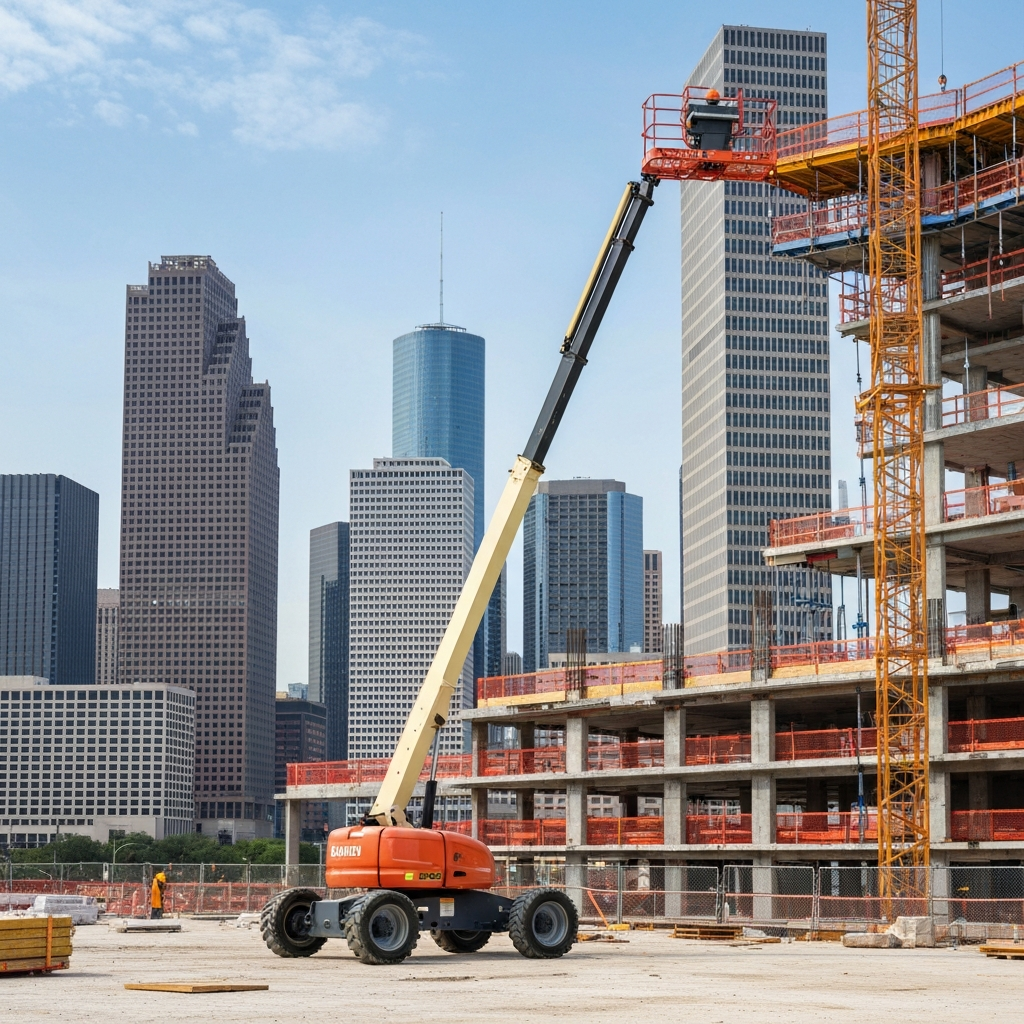
In a busy city like Houston, job sites are constantly active, and safety is the top priority. Boom lift safety precautions are not optional; they are a critical part of daily operations. Regular checks help you spot potential problems before they lead to catastrophic equipment failure.
Making aerial lift safety a core part of your routine protects your most valuable asset: your team. Consistent inspections ensure every piece of equipment is reliable, preventing accidents and promoting worker safety across your entire operation.
Why Regular Boom Lift Inspections Matter
Regular inspections are fundamental to keeping your boom lift in good condition. These checks are a deep dive into the health of your equipment, examining critical components that handle immense stress daily. From the work platforms where your crew stands to the complex machinery that lifts them, every part needs to be verified as safe. Think of it as a routine health check-up for your most important machinery.
When you conduct these checks, you are looking at the essential safety devices and structural parts. Are the emergency controls working? Are there any hidden cracks or signs of wear? Identifying these issues early is vital. Without regular inspections, you are essentially guessing that the equipment is safe, which is a risk no one should take.
Ultimately, these inspections are about more than just compliance; they provide peace of mind. Knowing that your boom lift has been thoroughly examined by a professional allows your team to focus on their work without worrying about equipment failure. This commitment to safety builds a stronger, more confident work environment.
How Inspections Prevent Accidents and Costly Repairs
One of the biggest benefits of routine boom lift inspections is the prevention of accidents. A small issue, like a minor hydraulic leak or a worn-out wire, can quickly become a major hazard if left unaddressed. Regular checks allow you to catch these problems before they lead to equipment failure and potential injuries on the job site.
Beyond safety, inspections are a smart financial move. Finding and fixing a small problem during routine maintenance is far cheaper than dealing with a catastrophic breakdown. For example, replacing a frayed hose costs a fraction of what it would to repair a failed hydraulic system. This proactive approach saves you from expensive, unexpected forklift repair bills.
Consistent checks extend the life of your equipment. When you take care of your boom lift through regular maintenance and inspections, you ensure it runs efficiently for years to come. This prevents costly repairs and protects your investment, keeping your operations smooth and productive.
OSHA and ANSI Inspection Requirements for Boom Lifts
When it comes to aerial lifts, two main organizations set the rules: the Occupational Safety and Health Administration (OSHA) and the American National Standards Institute (ANSI). OSHA’s rules are federal law, meaning you must follow them to ensure regulatory compliance.
ANSI, on the other hand, provides industry-developed best practices. However, OSHA often adopts ANSI standards, giving them the force of law. Therefore, it is essential to follow both sets of inspection requirements to keep your boom lifts safe and compliant. We will explore what these standards mean for your inspection schedule.
Key OSHA Standards for Boom Lift Inspection Frequency
OSHA provides specific regulations that outline the responsibilities for boom lift safety. While OSHA emphasizes following the manufacturer’s recommendations, it also sets clear expectations for different types of inspections to ensure health administration compliance. The goal is to catch hazards before they cause an accident.
The inspection frequency is broken down into several intervals. Each type of inspection serves a unique purpose, from a quick daily check to a thorough annual review. Following these OSHA standards is mandatory for maintaining a safe workplace and avoiding legal penalties. Annual inspection requirements are particularly strict and must be performed by a qualified professional.
Here is a simple breakdown of the inspection frequencies you need to know:
Inspection Type | When It’s Required |
|---|---|
Pre-Start Inspection | Before each work shift |
Frequent Inspection | Every 3 months or 150 hours of use, whichever comes first |
Annual Inspection | At least once every 13 months |
Understanding ANSI Updates and 2025 Compliance Changes
The American National Standards Institute (ANSI) regularly updates its standards to reflect new technology and safety findings. It is crucial to stay informed about these changes to maintain compliance. As we approach 2025, new ANSI standards may introduce updated requirements for boom lift design, training, and inspection.
To stay compliant with inspection law updates, you should regularly check for new publications from ANSI. These standards often include more detailed guidance than OSHA regulations, covering everything from operator training to equipment design. For example, recent updates have focused on load sensing systems and improved safety decals.
Staying ahead of the 2025 compliance curve means proactively learning about these changes. Partnering with a knowledgeable service provider like Upright Forklift Repair can help you navigate the evolving landscape of ANSI standards. We keep track of the latest rules so you can focus on your work, confident that your equipment meets all current and future requirements.
Types of Boom Lift Inspections and Their Schedules
There are several different types of boom lift inspections, each with its own schedule and purpose. The most common are pre-operation checks, frequent inspections, and the comprehensive annual inspection. Each one plays a role in a complete safety program.
Understanding these different aerial lift inspection schedules is key to keeping your equipment in top shape. From the daily walk-around to the detailed yearly review, each check helps ensure your boom lift is safe and ready for the job. Let’s look at what each inspection involves.
Daily and Pre-Operation Checklist for Boom Lifts
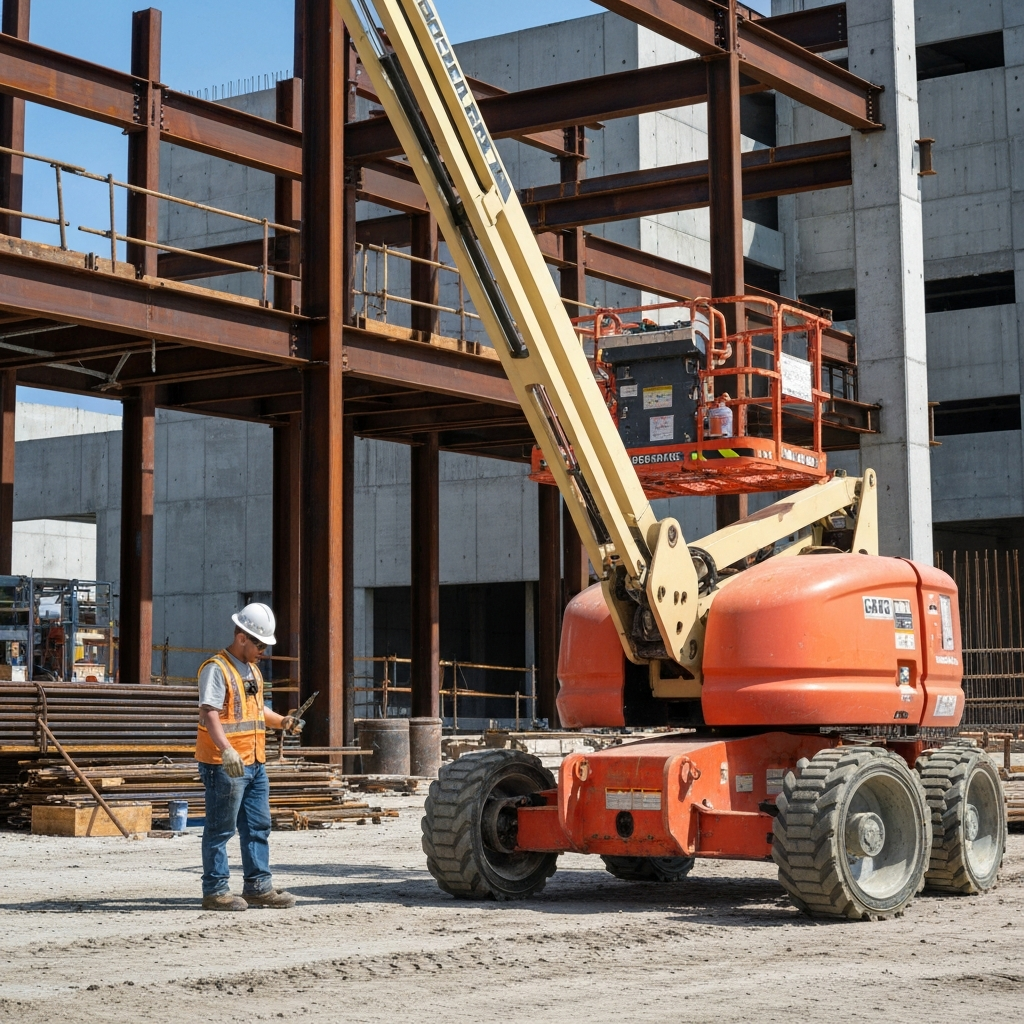
Before any operator uses a boom lift, a daily inspection must be performed. This pre-operation check is a critical first line of defense against accidents. It involves a quick but thorough visual inspection of the machine to spot any obvious defects or issues that could compromise safety during the shift.
This daily checklist should be straightforward and easy for operators to follow. The goal is to confirm that all key components are in working order and that there are no visible signs of damage. This includes checking fluid levels, testing controls, and ensuring safety features are functional. A consistent daily check is one of the easiest ways to prevent unexpected problems.
Here is a simple checklist for a daily boom lift inspection:
- Check fluid levels for hydraulic oil, engine oil, and coolant.
- Perform a visual inspection for leaks, cracked welds, or damage.
- Test all controls, including the emergency stop button and horn.
- Ensure all safety decals and manuals are present and legible.
- Inspect tires for proper inflation and any signs of excessive wear.
Monthly and Annual Boom Lift Inspection Differences
While daily checks are essential, they differ significantly from monthly and annual inspections. A daily inspection is a quick visual check performed by the operator. In contrast, a frequent or monthly inspection is more detailed and is required every three months or 150 hours of use. It looks closer at the machine’s components for wear and tear.
The annual inspection is the most thorough of all. This inspection must be performed by a qualified technician no more than 13 months after the last one. It is a comprehensive, hands-on examination of all critical systems, from the boom structure to the hydraulic and electrical systems. The main difference is the level of detail and the requirement for a certified professional.
Ultimately, these inspection differences create a layered safety system. The daily check catches immediate issues, the monthly inspection monitors developing wear, and the annual inspection verifies the overall integrity of the aerial work platforms. Together, they ensure the equipment remains safe and reliable throughout its service life.
Special Inspection Needs for Rail Boom Lifts
Rail boom lifts, designed to operate on railway tracks, have unique features that require special attention during an inspection. In addition to all the standard checks for a boom lift, these machines have specialized components related to their rail gear. This includes the wheels, axles, and braking systems designed for track travel.
The inspection of a rail boom lift must thoroughly examine these structural components for any signs of wear, damage, or misalignment that could lead to derailment. The hi-rail gear itself must be checked to ensure it engages and disengages properly. Safety devices specific to rail use, such as track lighting and audible warnings, also need to be tested.
Because of these added complexities, the inspection frequency for a rail boom lift should be just as rigorous, if not more so, than for other boom lifts. While the standard annual and frequent inspection schedules apply, the unique rail components may need more frequent checks depending on usage and operating conditions to ensure they remain in safe working order.
Who Should Inspect Boom Lifts and How Often
Determining who is qualified to inspect a boom lift is just as important as the inspection frequency itself. Daily checks can be performed by a trained operator, but more detailed inspections require qualified personnel with specialized knowledge and certification.
Following regulatory compliance means ensuring the right person conducts each type of inspection. A certified technician must perform the annual inspection, while operators handle the daily checks. This division of responsibility ensures every part of the boom lift is examined by someone with the appropriate expertise.
Qualified Personnel for Boom Lift Safety Checks
According to OSHA, a “competent person” can perform daily inspections. This is typically the operator, who has received operator training and can identify obvious hazards. However, for more in-depth frequent and annual inspections, a “qualified person” is required. This individual has a degree, certificate, or extensive experience that provides them with the expertise to identify and correct issues.
These qualified personnel are responsible for the detailed examination of the boom lift’s critical systems. They have the knowledge to test safety devices, evaluate structural integrity, and diagnose complex mechanical problems. This level of certification ensures that the person signing off on the inspection truly understands the equipment.
At Upright Forklift Repair, our technicians are qualified to perform comprehensive annual inspections. They have the training and experience needed to conduct thorough safety checks and provide reliable forklift maintenance and scissor lift repair services. This ensures your equipment is not just compliant, but genuinely safe for your team to use.
Responsibilities for Operators vs Owners in Texas
In Texas, both boom lift operators and owners have distinct responsibilities for ensuring equipment safety and regulatory compliance. The operator is responsible for conducting the pre-shift inspection before every use. This includes visually checking the machine, testing the controls, and reporting any issues immediately. Their role is to be the first line of defense against accidents.
The owner, on the other hand, holds the ultimate responsibility for the equipment’s overall safety. This includes ensuring that frequent and annual inspections are scheduled and completed on time by qualified personnel. The owner is also responsible for maintaining all inspection records and ensuring any necessary repairs, like forklift repair or scissor lift repair, are performed promptly.
This shared responsibility creates a strong safety culture. The operator handles the daily checks, while the owner manages the long-term maintenance and compliance. By working together, they ensure the boom lift is always in safe operating condition, protecting everyone on the job site.
Key Items Checked During Annual Boom Lift Inspections
An annual boom lift inspection is a comprehensive process that covers every critical aspect of the machine. The technician follows a detailed checklist to ensure nothing is missed, from the base to the platform. This inspection focuses on verifying structural integrity and the proper function of all safety devices.
The goal of this aerial lift inspection is to confirm the machine is safe for another year of service. Key areas of focus include the hydraulic system, controls, structural components, and powertrain. Let’s explore some of the specific items that get checked.
Structural Integrity, Controls & Safety Devices
A major part of the annual inspection is checking the boom lift’s structural integrity. The technician will carefully examine all welds, pins, and fasteners for signs of stress, cracks, or rust. Any deformation in the boom sections or chassis could compromise the machine’s stability and must be addressed immediately.
Next, all controls and safety devices are tested. This includes the emergency stop buttons on both the ground and platform controls, as well as the tilt and load sensors. These devices are critical fail-safes designed to prevent accidents, so the technician must verify they are calibrated and functioning correctly.
Here are some of the key items checked:
- Welds and Structural Components: Inspecting for cracks, dents, or corrosion on the chassis, turntable, and boom sections.
- Controls and Sensors: Testing joysticks, switches, and emergency stops, and verifying that safety sensors are working.
- Safety Rails and Gates: Ensuring they are secure and that the gate latches properly.
Hydraulic Systems, Tires, and Powertrain
The hydraulic system is the heart of the boom lift, and it receives close scrutiny during an annual inspection. The technician will inspect all hoses, cylinders, and fittings for leaks, bulges, or signs of wear. Even a small pinhole leak can lead to a sudden loss of pressure, so this check is critical for safe operation.
The tires and powertrain are also thoroughly examined. Tires are checked for proper inflation, deep cuts, and excessive wear, as they are essential for the machine’s stability. For the powertrain, the technician inspects the engine or battery pack, brakes, and steering to ensure the boom lift can move and stop safely.
A detailed inspection of these components helps prevent unexpected equipment failures. Identifying a worn hydraulic hose or a failing brake pad during an inspection allows for proactive forklift maintenance, saving you from downtime and costly emergency repairs later on.
Staying Compliant with Boom Lift Inspection Standards in Texas
For businesses in Texas, staying compliant with boom lift inspection standards is a top priority. This involves more than just getting the inspections done; it also means keeping detailed documentation and records of all maintenance and checks.
Proper documentation proves your commitment to safety and regulatory compliance. Having a clear system for creating checklists and tracking maintenance ensures you are always prepared for an OSHA audit and that your equipment is safe for your team. Here is how you can effectively manage your inspection process.
Creating and Using a Boom Lift Inspection Checklist
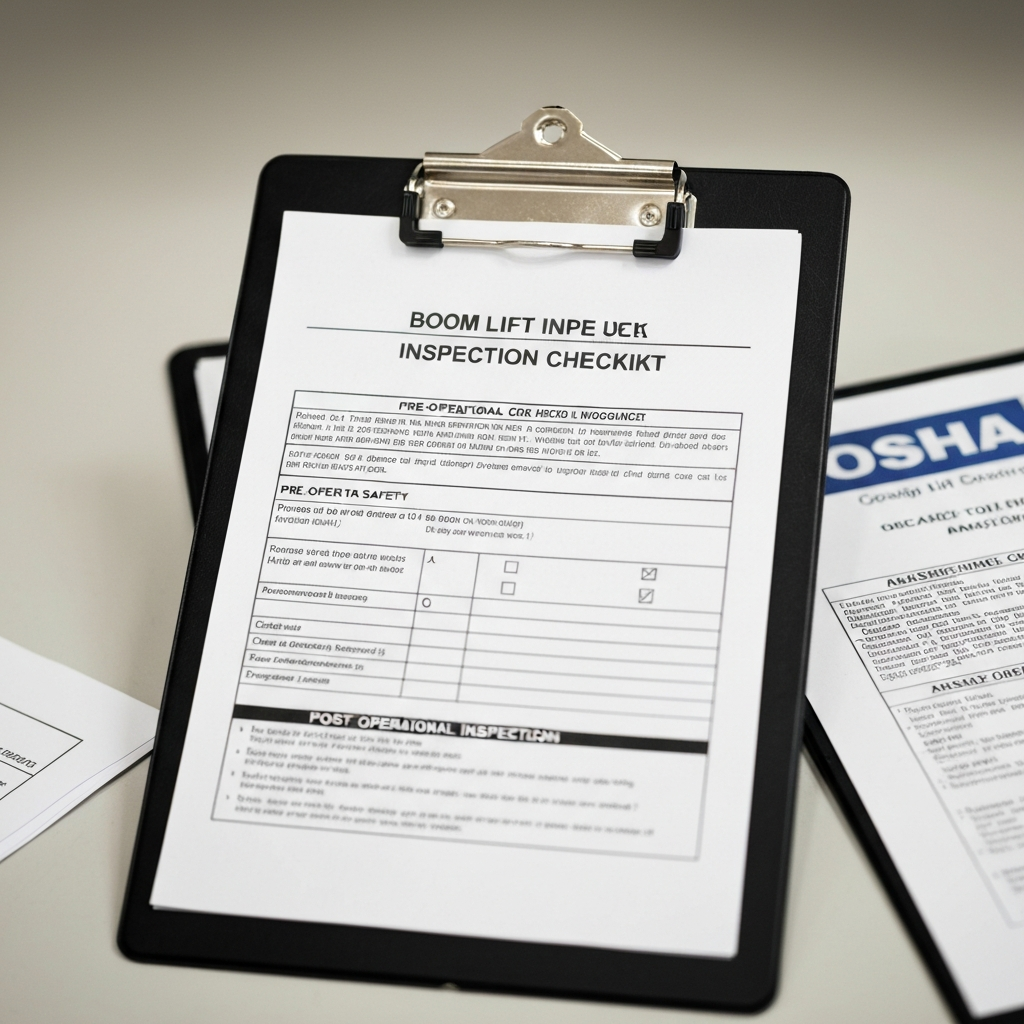
A standardized boom lift inspection checklist is the best way to ensure nothing is missed during daily checks. This checklist should be based on the manufacturer’s recommendations and cover all critical inspection requirements. It serves as a guide for the operator, making the process faster and more effective.
Using a consistent checklist for every inspection helps create a reliable record of the machine’s condition over time. It allows you to spot recurring issues and document that all necessary checks were completed before each shift. This documentation is crucial for maintaining regulatory compliance.
Here are some key items your inspection checklist should include:
- A section for operator and equipment identification.
- A list of items to check, such as fluid levels, controls, and tires.
- Space for the operator to note any defects or issues found.
- A signature line to confirm the inspection was completed.
Tracking Maintenance & Documentation for Safety Compliance
Keeping organized documentation of all your boom lift inspections and maintenance is essential for safety compliance. These inspection records are proof that you are following OSHA and ANSI standards. They should include details on daily checks, frequent inspections, and the annual certification, including the date of the last inspection.
Your maintenance log should track every repair and service performed on the equipment. This creates a complete history of the machine, which is valuable for identifying patterns and predicting future maintenance needs. It also shows investigators that you have been diligent in addressing any issues that were found during inspections.
A good documentation system makes it easy to stay on top of your compliance obligations. Whether you use a digital system or a physical logbook, the key is to be consistent. Well-kept records demonstrate your commitment to safety and can protect you from liability in the event of an accident.
Consequences of Missing Scheduled Boom Lift Inspections
Skipping scheduled boom lift inspections can lead to severe consequences. The most immediate risk is increased danger for your workers. Without regular checks, hidden defects can go unnoticed, leading to sudden equipment failure and potentially tragic accidents. A commitment to safety means never missing an inspection. Beyond the safety risks, failing to maintain regulatory compliance can result in hefty fines from OSHA. If an accident occurs and your inspection records are not up to date, your company could face serious legal and financial penalties. The cost of an inspection is minor compared to the potential cost of an accident or a fine. Keeping up with your inspection schedule protects both your team and your business.
Impact on Workplace Safety in Houston
In a high-activity environment like Houston, workplace safety is paramount. Missing a scheduled inspection on an aerial lift directly threatens the well-being of everyone on the job site. A boom lift with an undetected flaw can lead to catastrophic equipment failure, causing falls or other serious accidents that could have been easily prevented.
The ripple effect of such an incident can be devastating. A single accident can halt operations, damage company morale, and erode trust between workers and management. Worker safety should always be the top priority, and consistent inspections are a non-negotiable part of maintaining a safe work environment.
By ensuring every piece of equipment is regularly inspected, you are fostering a culture of safety. This shows your team in Houston that you value their well-being above all else. A well-maintained aerial lift is a sign of a responsible employer who is committed to preventing accidents before they happen.
Legal and Insurance Ramifications
Failing to adhere to boom lift inspection requirements opens your company up to significant legal and insurance problems. If an accident occurs with a machine that has a lapsed inspection, you are likely to be found in violation of OSHA standards. This can lead to massive fines, legal battles, and even criminal charges in cases of negligence.
From an insurance perspective, non-compliance can be just as damaging. Most insurance policies require you to follow all federal and industry safety standards. If you fail to do so, your provider may deny your claim after an accident, leaving you to cover all the costs, including medical bills, legal fees, and equipment replacement.
Ultimately, proper inspection and compliance are not just about safety; they are about protecting your business. The legal and financial risks of cutting corners are simply too high. Maintaining thorough records and adhering to inspection schedules is your best defense against these serious ramifications.
Conclusion
In summary, regular inspections of boom lifts are not just a regulatory requirement; they are essential for ensuring safety and preventing accidents in the workplace. By adhering to OSHA and ANSI guidelines, and understanding the different types of inspections required, you can protect both your operators and your investment. Remember, neglecting these inspections can lead to serious legal and financial consequences. Staying proactive with maintenance checks and using a detailed inspection checklist can significantly enhance safety and compliance. If you’re looking to improve your boom lift safety practices, don’t hesitate to get a free consultation to learn more about best practices tailored to your needs.
Frequently Asked Questions
Do all boom lifts need annual inspections?
Yes, all boom lifts require annual inspections. According to both OSHA standards and ANSI standards, a qualified person must conduct a comprehensive inspection at least once every 13 months to ensure the equipment is safe for use and to maintain compliance.
What should operators look for during daily checks?
During a daily inspection, operators should perform a visual inspection for any damage, check fluid levels, test all controls and safety precautions like the horn and emergency stop, and ensure the work area is clear of hazards. Any issues should be reported immediately.
How can businesses stay updated with changing aerial lift inspection laws?
To stay updated, businesses should regularly consult OSHA and ANSI publications, subscribe to industry newsletters, and partner with a knowledgeable service provider. Maintaining thorough documentation and working with certified technicians helps ensure ongoing compliance with the latest standards.