
Material Handling Equipment Houston TX | Upright
Material handling equipment in Houston, TX refers to the machinery, tools, and systems used to move, store, control, and protect materials and products throughout the process of manufacturing, distribution, consumption, and disposal. This equipment is essential for optimizing warehouse operations, improving safety, and increasing productivity across various industries.
Key Takeaways
- Comprehensive material handling solutions including forklifts, pallet racks, and storage systems.
- New and used forklifts available with flexible lease and financing options.
- Expert installation and maintenance services tailored for Houston and surrounding areas.
- Local Humble, TX-based company with over 25 years of industry experience.
- Safety compliance and operator training programs to meet OSHA standards in Texas.
Material Handling Equipment Solutions in Houston, TX
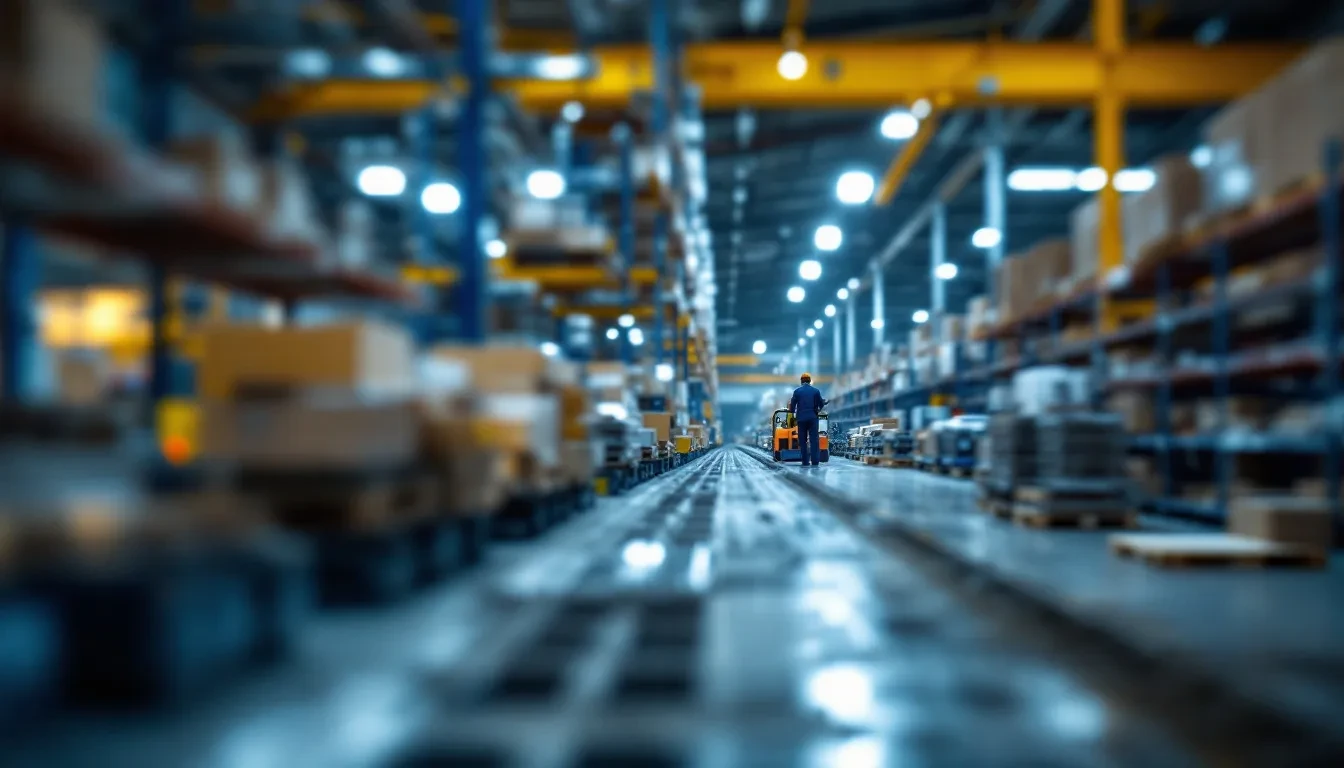
At Upright Forklift, based in Humble, TX, we specialize in providing a full range of material handling equipment solutions designed to meet the unique demands of Houston’s industrial sector. Material handling encompasses a variety of equipment and systems such as forklifts, pallet racks, warehouse storage, and wire decking, which are critical to efficient warehouse and logistics operations.
Our solutions are engineered to improve workflow, maximize space utilization, and ensure safety compliance with OSHA regulations specific to Texas warehouses. Whether your operation requires new or used equipment, our team offers tailored advice to help you select the right machinery and storage systems for your facility.
Serving Houston and its surrounding industrial hubs including Katy, Sugar Land, Cypress, and The Woodlands, we understand the regional logistics challenges and provide timely delivery, installation, and support to keep your operations running smoothly.
New & Used Forklifts for Houston Warehouses
Forklifts are the backbone of material handling in any warehouse or construction site. Upright Forklift is proud to offer a wide selection of new and used forklifts suited for different industrial needs. Our fleet includes electric, propane, and diesel forklifts from industry-leading brands, all maintained to the highest standards for reliability and safety.
We are an authorized dealer for top forklift manufacturers, ensuring you receive genuine parts, expert technical support, and warranty-backed equipment. Our competitive rental rates and flexible lease options provide cost-effective solutions for short-term projects or long-term fleet expansion.
Additionally, our comprehensive forklift maintenance and repair programs help extend the life of your equipment, reduce downtime, and keep your warehouse compliant with safety regulations. Our certified technicians, with decades of experience in the Houston area, offer scheduled inspections and emergency repairs to keep your forklifts operating at peak performance.
Pallet Rack & Warehouse Racking Systems
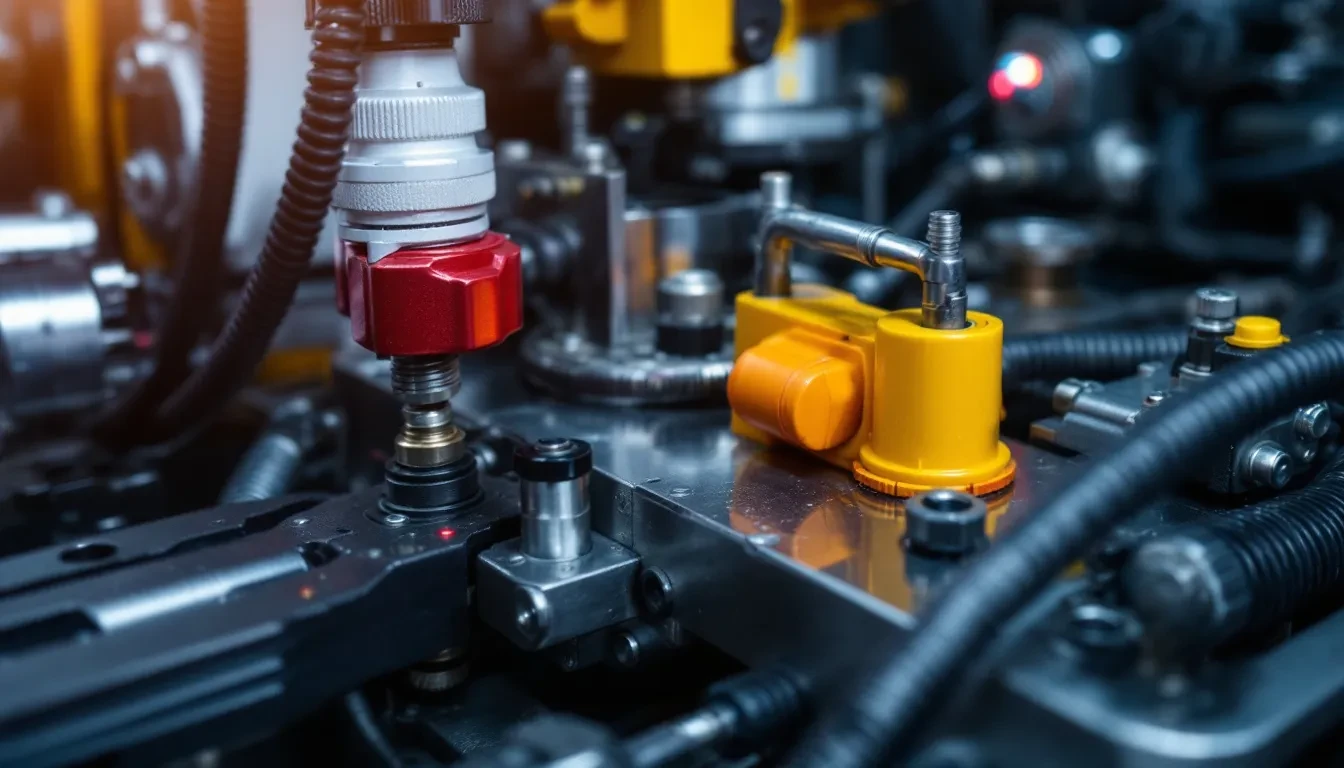
Efficient pallet rack and warehouse racking systems are vital for optimizing storage capacity and material flow. Upright Forklift supplies and installs a variety of racking solutions tailored to your warehouse layout and inventory needs. Our offerings include selective pallet racks, drive-in racks, cantilever racks, and wire decking accessories that enhance load stability and safety.
We emphasize safety and compliance with Texas and OSHA guidelines, conducting thorough rack inspections and load capacity checks. Our installation teams are experienced in transforming warehouse spaces in Houston and surrounding areas, delivering projects on time with minimal disruption to your operations.
Wire decking is one of our specialty add-on products, providing increased ventilation and fire safety while supporting pallets securely. This detail often gets overlooked by competitors but is essential for maintaining a safe and efficient warehouse environment.
Complete Warehouse Storage Equipment Catalog
Beyond forklifts and pallet racks, Upright Forklift offers a full catalog of warehouse storage equipment to meet diverse material handling needs. This includes shelving units, mezzanines, industrial carts, conveyors, and safety barriers. Our solutions are designed to integrate seamlessly, creating a cohesive system that supports your operational goals.
We work closely with clients in Houston, Humble, and the greater Texas area to design customized storage layouts that improve space utilization and workflow efficiency. Our local presence allows us to provide rapid turnaround times and on-site consultations to ensure your material handling systems are optimized for your business.
Material Handling Services & Installation Across Texas
Upright Forklift is more than an equipment supplier. We provide end-to-end material handling services including racking installation, forklift maintenance, operator training, and safety audits. Our professional installation teams have completed hundreds of projects across Houston, Humble, Katy, and other Texas industrial centers, consistently delivering quality workmanship and timely service.
Our operator training programs are OSHA-compliant and designed to reduce workplace accidents, improve equipment handling, and increase productivity. We also offer customized maintenance contracts to keep your fleet and storage systems in optimal condition year-round.
With our local Humble, TX base, we offer unmatched responsiveness and logistical support to Houston-area clients, ensuring fast delivery and installation with minimal downtime. Our service programs are tailored to the specific needs of Texas industries, backed by decades of regional expertise.
Industries We Serve in the Houston Area
Our material handling equipment and services support a broad range of industries throughout Houston and neighboring communities including Sugar Land, Cypress, The Woodlands, Conroe, Spring, Pearland, Pasadena, League City, Baytown, Deer Park, and La Porte.
- Warehousing and Distribution: Optimized storage and forklift solutions for high-volume inventory management.
- Construction: Durable forklifts and rugged handling equipment for job site material movement.
- Manufacturing: Custom racking and handling systems to streamline production workflows.
- Logistics and Freight: Efficient pallet handling and storage systems for quick turnaround.
- Retail and Wholesale: Scalable warehouse solutions to accommodate fluctuating inventory levels.
Our deep understanding of Houston’s industrial landscape allows us to provide tailored solutions that enhance operational efficiency and reduce total cost of ownership.
Why Choose Upright Forklift in Humble, TX
Founded by James Carter, a Houston material handling expert with over 30 years of industry experience, Upright Forklift has been proudly serving Houston and Humble, TX customers for more than 25 years. Our commitment to quality and customer satisfaction has made us a trusted partner for over 1,000 Texas businesses.
We are members of the Material Handling Industry (MHI) and authorized dealers for leading forklift brands, ensuring access to the latest technology and certified equipment. Our fleet is well-maintained, and we have completed over 500 pallet rack installations across Texas, demonstrating our scale and expertise.
One satisfied client, Maria Lopez of Gulf Coast Warehousing, shared: “Upright Forklift transformed our warehouse layout with their expert installation and reliable forklifts. Their maintenance program has significantly reduced our downtime.”
Choosing Upright Forklift means partnering with a local company that understands the nuances of Texas regulations, regional logistics, and industrial needs. Our technical support team is available 24/7, and we offer financing and flexible lease options to fit any budget.
Frequently Asked Questions
What types of material handling equipment do you offer in Houston, TX?
We provide a comprehensive range of equipment including new and used forklifts, pallet racks, shelving, wire decking, conveyors, and industrial carts. Our inventory supports diverse warehouse and industrial needs.
Do you sell both new and used forklifts near Houston?
Yes, Upright Forklift offers both new and used forklifts from authorized manufacturers. We maintain all used equipment to ensure safety and reliability and provide flexible purchase or lease options.
Can you install pallet rack and warehouse racking systems at my facility?
Absolutely. Our experienced installation teams handle racking system design and installation across Houston and surrounding areas, ensuring compliance with safety standards and efficient warehouse layouts.
Do you serve areas outside of Houston such as Humble, Katy, or Pasadena?
Yes, we proudly serve a wide service area including Humble, Katy, Sugar Land, Cypress, The Woodlands, Conroe, Spring, Pearland, Pasadena, League City, Baytown, Deer Park, and La Porte.
What industries do you provide material handling solutions for in Texas?
Our solutions support warehousing, distribution, construction, manufacturing, logistics, retail, and wholesale industries, tailored to meet the specific operational needs of each sector.
Do you offer forklift rentals as well as sales in Houston?
Yes, we offer competitive forklift rental programs alongside sales and leasing options. Rentals are flexible and ideal for short-term projects or seasonal demand increases.
How long does pallet rack installation typically take?
Installation time varies by project size but typically ranges from one to five days. We provide detailed timelines and work to minimize disruption to your operations.
Contact Upright Forklift Today for Material Handling Equipment in Houston, TX
Ready to optimize your warehouse or industrial facility with expert material handling equipment and services? Contact Upright Forklift in Humble, TX for a consultation. Our team will assess your needs, recommend tailored solutions, and provide competitive pricing with flexible financing options. Call us today or fill out our online form to get started with Houston’s trusted material handling partner.
Author: Upright Forklift Repair
Founded: 1998 in Humble, TX by James Carter, industry expert with 30+ years’ experience