Propane vs Electric Forklift: Pros and Cons
Propane vs electric forklifts refers to the comparison between two primary types of forklifts powered by either propane fuel or electric batteries. This comparison is crucial for warehouse operators, construction companies, and logistics managers in selecting the right forklift that balances cost, performance, safety, and environmental impact. Understanding the pros and cons of propane and electric forklifts helps businesses optimize their operations, especially in regions like Humble, TX and the greater Houston area where climate, fuel costs, and regulatory requirements influence forklift choice.
Key Takeaways
- Propane forklifts offer continuous operation with quick refueling, ideal for outdoor and heavy-duty use.
- Electric forklifts provide lower operating costs and zero emissions, making them better suited for indoor environments.
- Maintenance costs for electric forklifts are generally lower, but battery replacement is a significant long-term expense.
- Local Texas regulations on emissions and indoor air quality impact forklift selection and operational compliance.
- A mixed fleet of electric and propane forklifts can optimize uptime and environmental goals for growing businesses.
Propane vs Electric Forklifts: A Quick Overview

Forklifts are essential material handling equipment used across warehouses, construction sites, and logistics centers. Propane forklifts use internal combustion engines powered by propane gas, while electric forklifts run on rechargeable batteries. Both types have distinct advantages and disadvantages that affect their suitability depending on operational needs, environment, and cost considerations. In the Humble, TX area, where warehouses often face a mix of indoor and outdoor tasks combined with a humid climate, choosing the right forklift type is critical for efficiency and safety.
Understanding Propane Forklifts
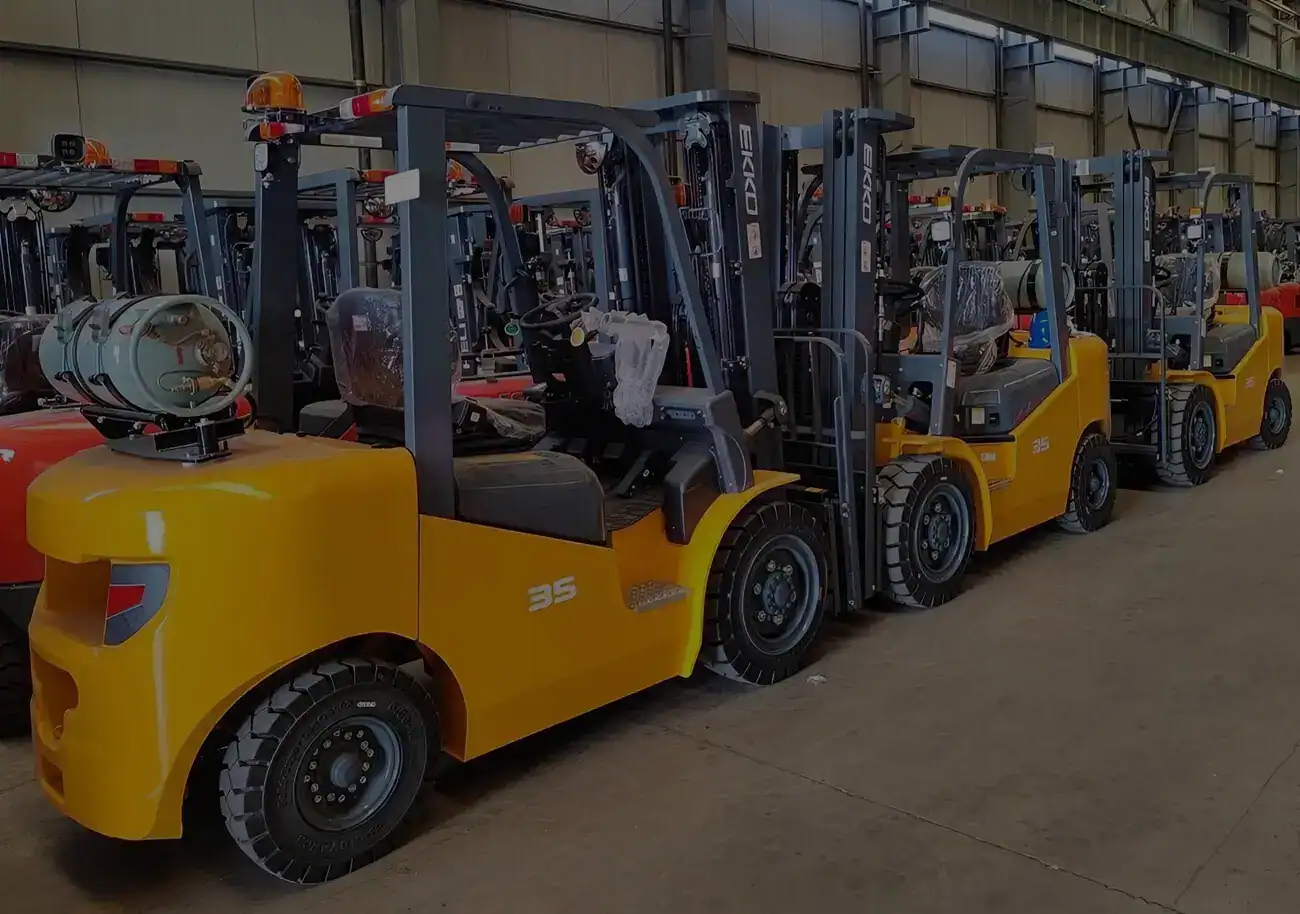
Propane forklifts are powered by liquid propane stored in tanks mounted on the forklift. They operate similarly to gasoline engines but produce fewer emissions. These forklifts are known for their power and ability to run continuously with quick refueling, making them popular in outdoor applications and heavy-duty tasks.
Understanding Electric Forklifts
Electric forklifts use large batteries to power electric motors. They produce zero emissions, making them ideal for indoor use and environments with strict air quality regulations. Electric forklifts require charging downtime but offer quieter operation and lower maintenance needs.
Pros and Cons of Propane Forklifts

Pros of Propane Forklifts
- Continuous Operation: Quick propane tank refills allow for longer uptime without waiting for charging.
- Powerful Performance: Propane forklifts deliver strong torque suitable for heavy loads and outdoor terrain.
- Lower Initial Cost: Typically, propane forklifts have a lower purchase price compared to electric models.
- Versatility: Can be used both indoors (with ventilation) and outdoors, offering operational flexibility.
- Cold Weather Reliability: Propane forklifts perform well in colder climates without battery degradation.
Cons of Propane Forklifts
- Emissions: Produce combustion emissions that require proper ventilation indoors to meet OSHA standards.
- Fuel Costs: Propane prices in Texas can fluctuate, affecting operating expenses.
- Maintenance: Internal combustion engines require regular maintenance including oil changes and spark plug replacements.
- Noise and Heat: Propane forklifts generate more noise and heat compared to electric models.
Pros and Cons of Electric Forklifts

Pros of Electric Forklifts
- Zero Emissions: Ideal for indoor use, meeting strict air quality and OSHA indoor environment regulations.
- Lower Operating Costs: Electricity is generally less expensive than propane, and maintenance costs are lower.
- Quiet Operation: Electric forklifts produce less noise, improving workplace safety and comfort.
- Environmental Sustainability: Supports corporate sustainability goals and reduces carbon footprint.
- Less Maintenance: Fewer moving parts and no combustion engine reduce downtime and repair costs.
Cons of Electric Forklifts
- Charging Downtime: Batteries require several hours to recharge, limiting continuous operation without backup units.
- Higher Initial Cost: Electric forklifts generally have a higher upfront purchase price.
- Battery Replacement: Battery lifespan averages 4-6 years, and replacement costs can be significant.
- Limited Outdoor Use: Electric forklifts may struggle in wet or rough terrain and extreme temperatures.
Cost Comparison: Fuel, Charging, and Operating Expenses
Understanding the total cost of ownership (TCO) over a typical 5-year period is essential for businesses in the Houston metro area considering electric and propane forklifts. Factors include fuel or electricity costs, maintenance, repairs, and equipment depreciation.
Fuel and Charging Costs
Propane prices in Texas tend to be competitive but can fluctuate based on market demand and supply. On average, propane forklifts consume fuel at a rate that results in higher operating costs compared to electric forklifts charged during off-peak electricity hours. Electric forklifts benefit from lower per-hour energy costs, especially when charged using Texas’ relatively affordable electricity rates.
Maintenance and Repairs
Propane forklifts require regular engine maintenance, including oil changes, spark plug replacements, and exhaust system checks. Electric forklifts have fewer mechanical parts, which reduces routine maintenance expenses. However, battery maintenance and eventual replacement (typically every 4-6 years) are significant cost factors for electric forklifts.
Total Cost of Ownership Breakdown
- Propane Forklift: Lower upfront cost but higher fuel and maintenance expenses.
- Electric Forklift: Higher initial investment with lower ongoing fuel and maintenance costs but requires battery replacement.
For businesses in Humble, TX and surrounding areas, the choice depends on operational needs, shift length, and budget flexibility. Upright Forklift offers expert consultation to analyze your specific cost factors and recommend the best option.
Indoor vs Outdoor Use: Which Forklift Fits Your Environment?
Indoor Use Considerations
Electric forklifts are ideal for indoor environments such as warehouses and distribution centers in Houston, Katy, and Sugar Land due to their zero emissions and quiet operation. OSHA mandates strict indoor air quality standards, and electric forklifts comply easily without additional ventilation requirements.
Outdoor Use Considerations
Propane forklifts excel in outdoor settings, including construction sites and loading docks around Cypress, The Woodlands, and Conroe. Their internal combustion engines provide the power and durability needed for uneven terrain and longer shifts without charging breaks. Electric forklifts may face challenges outdoors in wet or rugged conditions common in the Houston area climate.
Mixed Environment Solutions
Many businesses benefit from a mixed fleet of electric and propane forklifts to maximize operational flexibility. For example, electric forklifts can handle indoor tasks while propane forklifts manage outdoor or heavy-duty jobs, ensuring compliance and efficiency across all environments.
Maintenance and Safety Considerations
Maintenance Requirements
- Propane Forklifts: Require routine engine maintenance, fuel system inspections, and emissions checks.
- Electric Forklifts: Focus on battery care, motor inspections, and electrical system diagnostics.
Safety Factors
Propane forklifts emit carbon monoxide and other combustion gases, necessitating proper ventilation indoors to meet OSHA standards and protect worker health. Electric forklifts eliminate this risk, improving indoor air quality and reducing fire hazards related to fuel storage. Both types require operator training and adherence to safety protocols, which Upright Forklift provides as part of our comprehensive services.
Which Applications Work Best for Electric and Propane Forklifts?
Ideal Applications for Propane Forklifts
- Outdoor construction sites and lumber yards
- Loading docks and shipping yards
- Operations requiring extended shift lengths without downtime
- Facilities with adequate indoor ventilation
Ideal Applications for Electric Forklifts
- Indoor warehouses and cold storage facilities
- Food and pharmaceutical industries requiring zero emissions
- Operations with shorter shifts or access to multiple batteries for swapping
- Businesses prioritizing sustainability and lower noise pollution
Frequently Asked Questions
Electric forklifts vs propane forklifts: which is better?
The best choice depends on your specific needs. Electric forklifts are better for indoor use with lower emissions and maintenance costs. Propane forklifts are better for outdoor, heavy-duty tasks with longer continuous operation.
Are propane forklifts safe to use indoors?
Yes, propane forklifts can be used indoors if the facility has proper ventilation to manage combustion emissions and meets OSHA indoor air quality requirements.
How long does an electric forklift battery last on a single charge?
Battery life per charge typically ranges from 6 to 8 hours depending on usage and load. Many facilities use battery swapping or opportunity charging to extend operational time.
Which forklift type has lower operating costs, propane or electric?
Electric forklifts generally have lower operating costs due to cheaper electricity and less maintenance. However, battery replacement costs must be considered in the total cost of ownership.
Can propane forklifts be used outdoors in all weather conditions?
Yes, propane forklifts are well-suited for outdoor use and perform reliably in various weather conditions common in the Houston area, including heat and humidity.
What is the average lifespan of a propane vs electric forklift?
Propane forklifts typically last 8 to 10 years with proper maintenance. Electric forklifts have a similar lifespan but require battery replacement every 4 to 6 years.
Conclusion: Which Forklift Is Best for Your Business?
Choosing between propane and electric forklifts depends on your operational environment, budget, and sustainability goals. In the Humble, TX region and greater Houston area, propane forklifts offer reliable power for outdoor and heavy-duty applications, while electric forklifts provide cleaner, quieter, and cost-effective solutions for indoor use. Many businesses find that a mixed fleet approach optimizes productivity and compliance.
At Upright Forklift, we leverage decades of experience servicing Houston-area businesses to help you select, maintain, and operate the best forklifts for your needs. Our well-maintained equipment fleet, competitive rental rates, flexible lease options, and expert technical support ensure your operations keep moving efficiently. Contact us today to discuss your forklift requirements and receive a customized solution tailored to your business.
Upright Forklift Repair
Serving Houston, Humble, Katy, Sugar Land, Cypress, The Woodlands, Conroe, Spring, Pearland, Pasadena, League City, Baytown, Deer Park, and La Porte.