
When it comes to forklift operation, OSHA certification is vital to ensure the safety and productivity of your team. In Houston, there are several training providers who specialize in preparing forklift operators with the knowledge and skills they need to meet OSHA standards. These providers offer a range of forklift certification courses, from beginner to advanced levels, ensuring that businesses comply with OSHA regulations while enhancing the efficiency and safety of their workforce. If you’re looking for reliable and professional forklift training in Houston, here are the top providers to consider.

Forklift training is not just a regulatory requirement—it’s a critical component in maintaining safety, reducing accidents, and improving operational efficiency. OSHA (Occupational Safety and Health Administration) certification ensures that forklift operators are well-trained in handling powered industrial trucks safely and in compliance with federal guidelines in the USA.
At Upright Forklift Repair, we provide both specialized forklift repair services and comprehensive forklift training programs. Based in Houston and Humble, we’re committed to enhancing workplace safety by offering expert services, including repair, service, and spare parts for forklifts. In addition, our forklift training programs help operators meet OSHA regulations, ensuring compliance and promoting a safer work environment.
Understanding the Importance of OSHA Forklift Training in Houston
OSHA regulations play a vital role in ensuring the safety and proper operation of forklifts in workplaces across Houston. These regulations are specifically designed to protect both operators and bystanders by establishing standards for safe forklift operation. Forklift safety training is essential for anyone operating a powered industrial truck, as it ensures that the operators are well-versed in handling the equipment in compliance with OSHA standards.
Obtaining forklift certification is not just about meeting regulatory requirements; it’s about fostering a safer workplace where risks are minimized. Certified forklift training improves efficiency, reduces accidents, and ensures OSHA compliance, ultimately benefiting the business by lowering the chances of costly accidents and penalties. In Houston, it is critical to ensure that forklift operators are trained and certified according to OSHA regulations to promote safety and productivity.
Common Challenges Faced by Forklift Operators
Forklift operators often face various challenges, especially if they are not properly trained. Beginners, for instance, may struggle with handling pallet jacks or navigating through narrow aisles in warehouses. Without sufficient training, operators may also be unaware of potential hazards like improper stacking, malfunctioning equipment, or poor maintenance. These challenges not only reduce operational efficiency but also increase the risk of accidents and injuries. Forklift safety training is crucial for addressing these issues, ensuring that operators are confident and capable in their roles, and maintaining a safe working environment.
Risks of Inadequate Forklift Training
Inadequate forklift training can have serious consequences in warehouses and industrial environments. When operators are untrained or lack proper certification, they are more likely to make errors, such as mishandling order picker equipment or violating OSHA compliance guidelines. These mistakes can lead to accidents, damage to goods, or even injuries to workers.
OSHA compliance requires that all forklift operators undergo thorough training to ensure they are capable of handling equipment safely. The lack of proper training not only jeopardizes safety but can also lead to costly fines, lawsuits, and a damaged company reputation. Providing certified forklift safety training mitigates these risks and ensures the well-being of both the operator and the workplace.
Comprehensive Solutions Offered by Top Provider-Upright Forklift
Top forklift training providers in Houston and Humble offer a variety of services and solutions designed to meet the diverse needs of forklift operators and businesses. These services include both classroom-based instruction and hands-on training, which is essential for achieving certification and ensuring safe operation. Many providers, including temp agencies, offer a forklift academy where operators can learn essential skills in operating powered industrial trucks and order picker equipment.
In addition to initial certification programs, these providers also offer refresher courses for experienced operators who need to update their knowledge or skills. Whether it’s preparing new operators for certification or helping existing staff improve their abilities, forklift training providers in Houston offer tailored solutions to meet industry-specific needs, ensuring OSHA compliance and workplace safety.
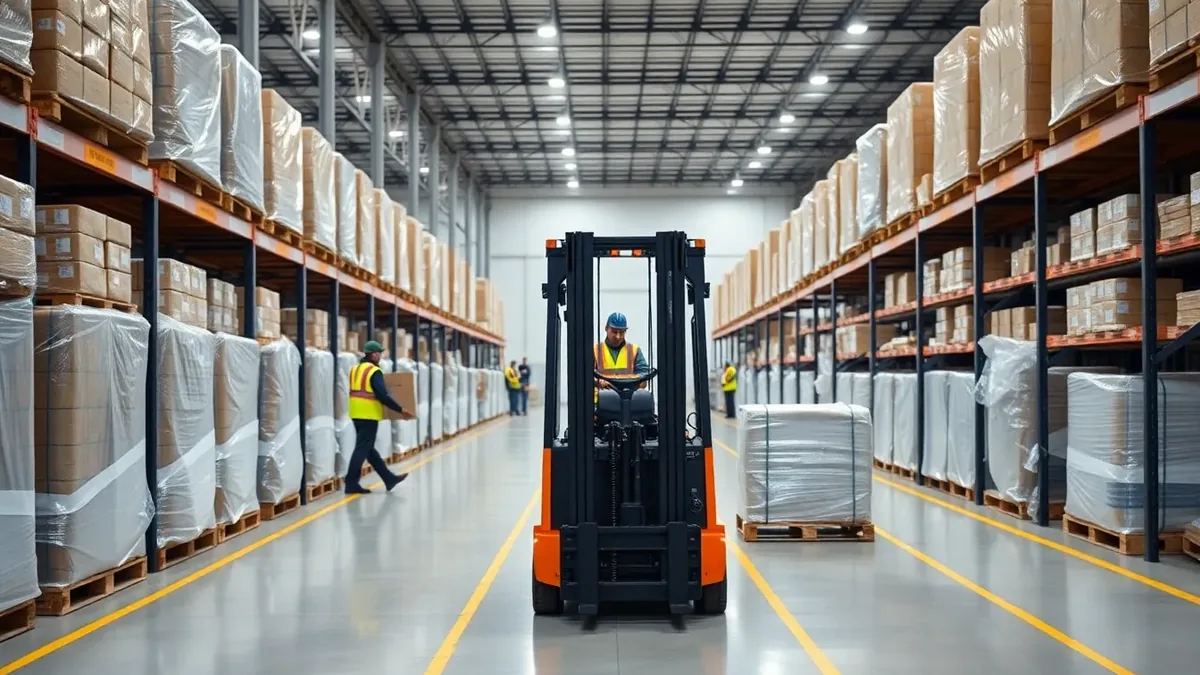
Customized Training Modules
Forklift training providers understand that different industries and operators have unique needs. As a result, many offer customized training modules that are specifically designed for various types of forklifts, such as order picker equipment or powered industrial trucks. These tailored modules ensure that operators are trained in the most relevant equipment and operational processes for their specific job requirements. Providers may also adjust the speed of the training program to ensure faster set times for businesses with tight schedules. This personalized approach helps businesses maintain productivity while ensuring that operators are fully certified and ready to handle equipment safely.
Hands-On Skill Development
One of the most important aspects of effective forklift certification training is hands-on skill development. While theoretical knowledge is essential, forklift operators need to practice their skills in real-life settings to ensure they are ready for the challenges they will face on the job. Top training providers offer practical, hands-on forklift certification training with powered industrial trucks, order picker equipment, and other forklifts.
This approach allows operators to become comfortable with the machinery, learn to navigate complex environments, and ensure that they earn their forklift certification with confidence. By incorporating hands-on experience into the training process, providers help operators gain the skills they need to perform safely and efficiently in the workplace.
Step-by-Step Training Process
The step-by-step training process for forklift operators in Houston and Humble typically begins with an initial assessment to determine the operator’s current skill level. Once assessed, the training process includes both theoretical and practical components. Theoretical training covers safety regulations, OSHA guidelines, and operational procedures, ensuring that all forklift operators are well-versed in safety protocols. The practical training provides hands-on experience with industrial trucks and other forklifts, helping operators gain the real-world skills needed to navigate complex environments safely.
This comprehensive approach not only ensures compliance with OSHA regulations but also equips operators with the confidence to perform their duties efficiently and safely. The goal is to create certified forklift operators who are prepared to meet the challenges of the workplace, comply with OSHA standards, and improve overall operational safety in warehouses and industrial settings across Houston and Humble.
Initial Assessment and Needs Analysis
Before starting forklift training, providers typically conduct an initial assessment to evaluate an operator’s current skills and knowledge. This allows the instructor to tailor the training program to meet the specific needs of each individual. By analyzing the operator’s experience level, the training can be customized to focus on areas where improvement is needed, such as forklift safety training or OSHA compliance. This personalized approach ensures that each participant receives the appropriate level of instruction, whether they are beginners or experienced operators needing a refresher course.
Practical and Theoretical Training Sessions
The training process consists of both theoretical and practical components to ensure that forklift operators receive a well-rounded education. Theoretical training includes in-depth instruction on OSHA regulations, safety protocols, and the proper use of various industrial trucks. This knowledge is then put into practice during hands-on training sessions, where operators learn to handle forklifts in real-world conditions.
Whether it’s navigating tight spaces, handling pallet jacks, or using order picker equipment, these practical sessions are vital for preparing operators to handle the challenges they may encounter on the job. Forklift academies in Houston and Austin offer this blend of theoretical and practical training to ensure that operators are fully equipped to meet certification requirements and perform their roles safely and effectively.
Why Choose Us for Your Forklift Training Needs
Upright Forklift Repair stands out as the premier choice for forklift training and repair services in both Houston and Humble. With years of experience in forklift repair, service, and providing high-quality spare parts, we offer a comprehensive approach to forklift management. Our expert trainers ensure that every operator receives top-tier, OSHA-compliant forklift training tailored to the specific needs of your workplace. Whether you need assistance with forklift repair or are looking to improve the skills of your forklift operators, we’re committed to providing exceptional service that ensures safety and compliance. Trust us to keep your equipment running smoothly and your workforce trained and ready.
Conclusion
In conclusion, forklift training is essential for both operator safety and compliance with OSHA regulations. At Upright Forklift Repair, we offer comprehensive training programs that cater to businesses in Houston and Humble, helping operators become certified and safe. Whether you’re looking for forklift training, certification, or repair services, we have you covered. Contact us today to ensure your forklift operators meet all safety standards and stay compliant with OSHA guidelines, improving the safety and productivity of your workforce.