
Cushion Press-On Forklift Tires Houston, TX: What Fleet Managers Need to Know
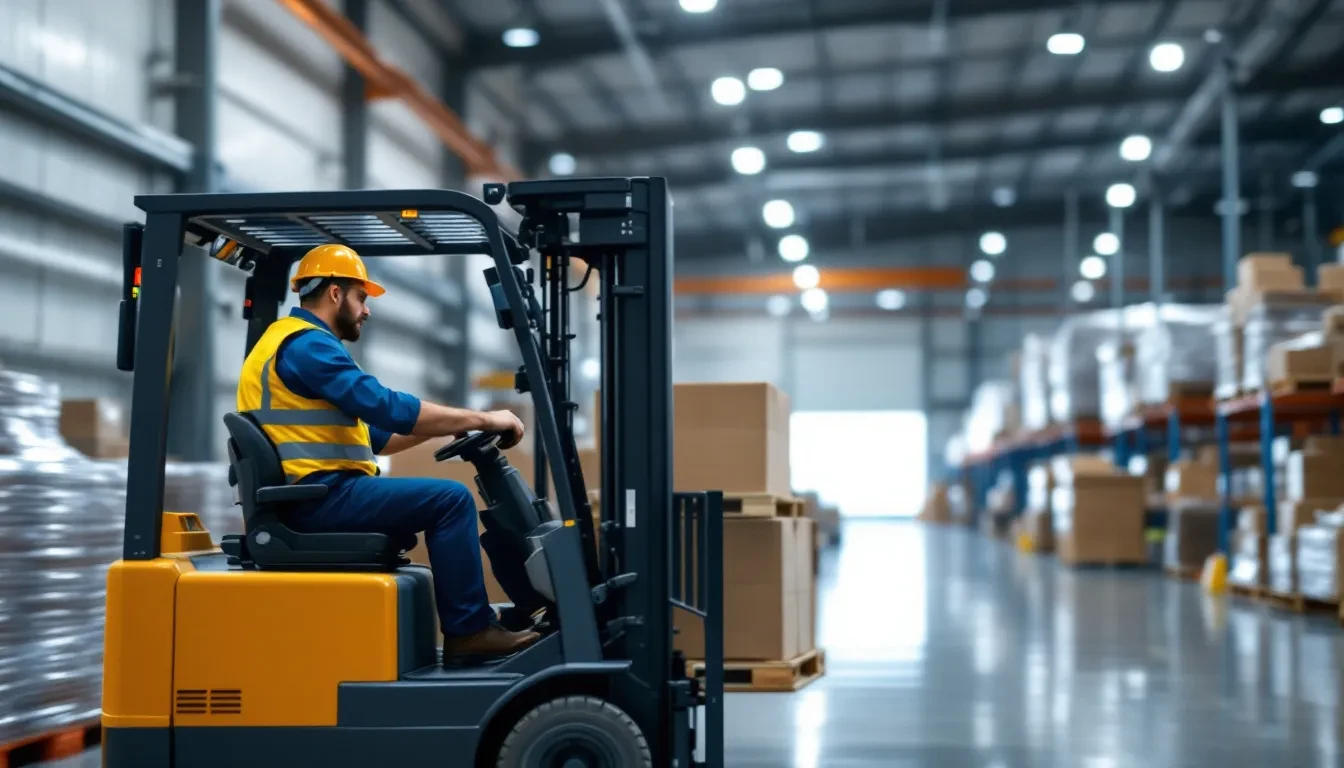
If your warehouse forklifts are riding rough, leaving black marks on smooth concrete, or wobbling under load, the tires are usually the first place to look. Cushion press-on forklift tires are the standard choice for indoor industrial operations across the Houston metro, and getting the right tire installed correctly makes a direct difference in load stability, floor condition, and operator safety. This guide covers everything fleet managers, logistics supervisors, and warehouse operators need to know before calling for a forklift tire service in the Houston, Humble, and surrounding areas.
Key Takeaways
- Cushion press-on forklift tires are designed for smooth indoor surfaces and are not the right choice for every outdoor Houston job site.
- Replacing worn tires is not just a maintenance task. OSHA requires forklifts to be in safe operating condition, and tire condition is part of that standard.
- Signs like flat spots, chunking rubber, and a tire worn to the wear line all indicate immediate replacement is needed.
- Mobile forklift tire service reduces downtime by bringing the press and technician directly to your facility rather than requiring you to transport equipment.
- Upright Forklift serves the full Greater Houston area from its base in Humble, TX, covering warehouses, distribution centers, and industrial sites across multiple counties.
What Are Cushion Press-On Forklift Tires?
Cushion press-on tires are solid rubber or polyurethane tires that mount directly onto a steel band and are pressed onto the forklift's drive or load wheel using a hydraulic press. Unlike pneumatic tires, they contain no air. They are manufactured as a single solid unit, which means there is no blowout risk and no need for inflation checks.
The name "press-on" describes how they are installed. A hydraulic press applies controlled force to seat the tire band firmly onto the wheel rim. Once seated, the fit is mechanical and extremely secure. Removing a worn tire uses the same press in reverse.
Solid Rubber vs. Polyurethane Press-On Tires
Not all cushion tires are the same material. The two most common types are solid rubber and polyurethane (poly), and each serves a different purpose.
- Solid rubber cushion tires: Better shock absorption, quieter ride on concrete, and more forgiving on floors with minor imperfections. A good choice for standard warehouse loads and mixed pallet handling.
- Polyurethane press-on tires: Harder compound with lower rolling resistance and longer wear life. Ideal for high-cycle operations, smooth epoxy floors, and situations where load capacity and floor protection are priorities.
Poly tires generally cost more upfront but last longer under high-cycle conditions. For most Houston warehouse environments, the right choice depends on shift frequency, load weight, and floor surface type.
Cushion vs. Pneumatic Forklift Tires: Which Do You Need?

This is the most common question fleet managers ask before a tire service appointment. The short answer is straightforward: if your forklifts work primarily indoors on flat concrete or warehouse flooring, cushion tires are the right call. If your equipment regularly moves outdoors across gravel yards, asphalt loading docks, or uneven ground, pneumatic tires offer the traction and air-cushioned ride that solid tires simply cannot provide.
Outdoor Use Cases in Houston Industrial Environments
Houston's industrial landscape includes a mix of indoor distribution centers, outdoor container yards, construction laydown areas, and port-adjacent facilities. Many operations run forklifts both inside and outside on the same shift.
Cushion press-on tires are not designed for outdoor surfaces with loose gravel, ruts, or significant slope changes. Using them outdoors on rough terrain increases operator risk, reduces load stability, and wears the tire unevenly. If your forklifts regularly cross outdoor terrain, a pneumatic or solid pneumatic tire is the safer and more cost-effective solution over time.
When Cushion Tires Are the Right Choice
- Smooth concrete or polished warehouse floors
- Narrow aisle operations where a smaller tire footprint matters
- Indoor cold storage, manufacturing, and distribution facilities
- Facilities with painted or epoxy-coated floors where tire marking is a concern
- High-cycle environments where blowout risk from pneumatic tires is a downtime liability
Industries We Serve with Industrial Tire Solutions in Houston
The Greater Houston area is one of the largest industrial markets in Texas, and the variety of operations requiring forklift tire service reflects that. Upright Forklift provides industrial tire services to operations across multiple sectors from its Humble, TX location.
Warehousing and Distribution
Large distribution centers in the Spring, Katy, and Pearland corridors run forklifts on demanding shift schedules. High-cycle operations burn through cushion tires faster than low-frequency facilities. Fleet managers at these sites often schedule proactive tire inspections rather than waiting for visible failure, because unplanned downtime on a forklift in a high-throughput facility carries a real cost per hour.
Manufacturing and Industrial Plants
Facilities in Pasadena, Baytown, Deer Park, and La Porte operate in environments where floor cleanliness and load safety are critical. Solid cushion tires leave less debris than deteriorating pneumatic tires and maintain a stable load platform on smooth plant floors.
Construction and Outdoor Laydown Yards
Construction companies in Conroe, The Woodlands, and Cypress often operate forklifts in outdoor conditions. For these teams, we can evaluate whether cushion tires are appropriate for the specific site or whether a pneumatic solution better fits the terrain and load requirements.
Our Forklift Tire Service Process in Humble and Greater Houston
Understanding the installation process helps fleet managers plan turnaround time and set expectations before a service call. The press-on tire installation process is mechanical and straightforward, but it requires the right equipment and correct sizing every time.
Step 1: Tire Sizing and Selection
Before any press-on tire is installed, the technician confirms the correct tire dimensions for the specific forklift make and model. Cushion press-on tires must match the wheel hub diameter, tire width, and outside diameter exactly. An incorrectly sized tire will not seat properly and creates a safety risk under load.
Step 2: Removal of the Worn Tire
The forklift is positioned safely and the drive wheel is removed. The hydraulic press is used to push the old tire band off the wheel hub. This step also gives the technician an opportunity to inspect the wheel for damage, cracking, or corrosion before the new tire is mounted.
Step 3: Press-On Installation
The new tire is aligned on the press with the wheel hub. Hydraulic pressure forces the tire band onto the hub until it is fully seated and flush. The technician verifies seating visually and by measurement before reinstalling the wheel on the forklift.
Step 4: Final Inspection and Return to Service
After installation, the forklift is inspected for proper clearance, load wheel alignment, and safe operation. In most standard tire replacement scenarios, the equipment is back in service the same day.
Signs That Cushion Press-On Tires Need Replacement: A Practical Checklist
Fleet managers should build tire inspection into their daily pre-shift checklist. Here are the indicators that signal a cushion press-on tire has reached end of service life.
- Wear line exposed: Most cushion tires have a molded wear line (sometimes called the 50% line). When the tire surface reaches that line, replacement is required. Operating below the wear line reduces load stability and violates OSHA pre-shift inspection standards.
- Flat spots or chunking: Chunks of rubber missing from the tire surface or visible flat spots indicate the tire compound is breaking down.
- Cracking or splitting: Surface cracks that extend into the tire body are a sign of compound degradation, often accelerated by heat or chemical exposure in industrial environments.
- Visible band separation: If the rubber is separating from the steel band, the tire must come off immediately.
- Excessive vibration during operation: Operators noticing increased vibration at normal speeds may be riding on a tire with uneven wear or internal damage.
- Skidding or loss of traction on smooth floors: Hardened or glazed tire surfaces lose grip on warehouse concrete, increasing stopping distances and load shift risk.
OSHA Compliance and Forklift Tire Safety
OSHA Standard 1910.178 requires that powered industrial trucks be maintained in safe operating condition. Tire condition is a direct factor in that requirement. A forklift with a worn or damaged tire is not considered safe for operation, and using one exposes the employer to citation and liability.
Pre-shift inspections are required under the same standard. Fleet managers should confirm that operators know what to look for on tires specifically, not just on the mast, forks, and fluid levels. Pairing a regular maintenance schedule with operator training on tire inspection is the most practical way to stay compliant and avoid unexpected downtime.
Cost Factors for Forklift Tire Replacement in Houston
Forklift tire replacement pricing varies based on several factors. Understanding these variables helps fleet managers budget accurately and avoid surprises on a service invoice.
- Tire size and type: Larger diameter tires and polyurethane compound tires cost more than standard rubber cushion tires. Drive tires are typically priced higher than load wheels.
- Number of tires replaced: Replacing all four tires at once often reduces total service time and labor cost per tire compared to replacing one at a time over multiple visits.
- Mobile vs. shop service: Mobile forklift tire service includes travel and on-site setup, which affects pricing but eliminates the cost and risk of transporting equipment.
- Forklift make and model: Some models require specific press tooling or have tighter tolerances, which can affect labor time.
- Brand and compound: Premium tire brands engineered for high-cycle or specialized floor conditions carry a higher material cost. Upright Forklift can discuss options based on your operation's specific needs.
Mobile Forklift Tire Service: We Come to You
Transporting a forklift with a failed or critically worn tire is a safety risk and a logistical headache. Mobile forklift tire service eliminates that problem by bringing the hydraulic press, tooling, and tires directly to your facility.
Upright Forklift provides mobile tire service across the Houston metro from Humble, TX. Whether your facility is in Sugar Land, League City, Conroe, or Cypress, a service call can be scheduled to minimize the time your equipment sits out of rotation.
How Mobile Service Reduces Downtime
A forklift sitting on a shop floor waiting for shop transport and a service queue is a forklift not moving product. Mobile service means the press comes to your dock or your yard. In many cases, a straightforward cushion press-on tire replacement can be completed on-site within a standard service window, letting the operator return to work the same shift.
For fleet managers running multiple forklifts, scheduling a mobile visit to address several units in one trip is more efficient than staggered individual shop visits. Contact us at our service scheduling page to discuss a mobile fleet tire service plan.
Why Houston Fleets Trust Upright Forklift for Press-On Tires
General industrial tire retailers serve a broad market. Forklift-specific tire service is a different discipline. Proper cushion press-on tire installation requires a hydraulic press sized for forklift wheels, knowledge of tire fit specifications by forklift make and model, and the ability to inspect the wheel hub and surrounding components during the service.
Upright Forklift focuses specifically on industrial lift equipment. That means the technicians arriving on a mobile service call understand the equipment they are working on, not just the tire itself. For fleet managers in the Houston metro, that distinction matters when a forklift is the equipment keeping a warehouse operation moving.
Upright Forklift holds a 4.8-star rating from verified customers, reflecting consistent service quality across the forklift repair and maintenance services we provide. Learn more about our full range of forklift repair and maintenance services.
Serving the Houston, TX Area from Humble
Upright Forklift operates out of Humble, TX, positioned to provide efficient service coverage across the Greater Houston industrial corridor. The service area includes all of the following locations and the surrounding communities.
- Houston
- Humble
- Katy
- Sugar Land
- Cypress
- The Woodlands
- Conroe
- Spring
- Pearland
- Pasadena
- League City
- Baytown
- Deer Park
- La Porte
From northeast Houston out to Katy in the west and League City to the south, the Humble location gives Upright Forklift reasonable drive time to most major industrial and warehousing clusters in the region. If you are unsure whether your location falls within the service area, call +1-346-559-8290 to confirm scheduling availability.
Frequently Asked Questions About Cushion Press-On Forklift Tires in Houston
What is a cushion press-on forklift tire and how is it different from a pneumatic tire?
A cushion press-on forklift tire is a solid rubber or polyurethane tire mounted on a steel band that is pressed hydraulically onto the forklift wheel hub. It contains no air. A pneumatic tire, by contrast, is an air-filled tire similar in concept to a vehicle tire, designed for outdoor use on uneven surfaces. Cushion tires are built for smooth indoor floors where load stability and floor protection matter more than shock absorption over rough terrain.
How often should cushion forklift tires be replaced?
There is no fixed mileage or calendar interval that applies universally. Replacement timing depends on shift hours, load weight, floor surface, and operating environment. The most reliable indicator is the wear line molded into the tire. Once the tire surface wears down to that line, the tire must be replaced regardless of how long it has been in service. High-cycle operations in warehouses often see tire replacement needed every one to three years. Lower-frequency operations may get significantly longer life from a set of tires.
Do you offer mobile forklift tire installation in Houston, TX?
Yes. Upright Forklift provides mobile forklift tire service across the Houston metro area from its Humble, TX base. A technician arrives at your facility with the hydraulic press and the replacement tires, completing the installation on-site. This eliminates the need to transport equipment to a shop and reduces total downtime for your operation.
Can cushion press-on tires be used outdoors on Houston job sites?
Cushion press-on tires are not designed for outdoor terrain with gravel, mud, loose fill, or significant surface irregularities. Using them outdoors in those conditions increases operator risk, reduces load stability, and accelerates uneven tire wear. For outdoor Houston job sites, pneumatic or solid pneumatic tires are the appropriate choice. If your operation mixes indoor and outdoor use, a technician can help evaluate the best tire type for your specific workflow.
How long does a forklift tire replacement take with Upright Forklift?
A standard cushion press-on tire replacement for a single drive tire typically takes one to two hours on-site, depending on the forklift model, tire size, and whether any wheel inspection or additional work is needed. Replacing all tires on a single forklift in one visit takes longer but is more efficient than multiple separate service calls. The goal on every mobile service visit is to return the forklift to service the same day.
Do you service skid steer and other industrial equipment tires as well?
Upright Forklift's primary focus is forklift repair and maintenance, including tire service on forklifts and related lift equipment. For specific questions about skid steer or other industrial equipment tires, contact the team directly at +1-346-559-8290 to discuss what services are available for your equipment type. Our technicians can assess the equipment on a case-by-case basis.
Schedule Your Forklift Tire Service Today
Worn tires are one of the most preventable causes of forklift downtime and one of the most straightforward OSHA compliance issues to address. If your fleet is showing any of the warning signs covered in this guide, or if it has been more than a year since your last tire inspection, a service call is the right next step.
Upright Forklift provides mobile and on-site forklift tire service across Houston, Humble, Katy, Sugar Land, Conroe, The Woodlands, Spring, Pearland, Pasadena, League City, Baytown, Deer Park, La Porte, and Cypress. Call +1-346-559-8290 to schedule a tire inspection or replacement, or visit our contact page to submit a service request online. Keep your fleet moving and your facility compliant with a forklift-specific tire service team that knows the equipment.
Published by Upright Forklift Repair | Humble, TX | Serving the Greater Houston Industrial Market